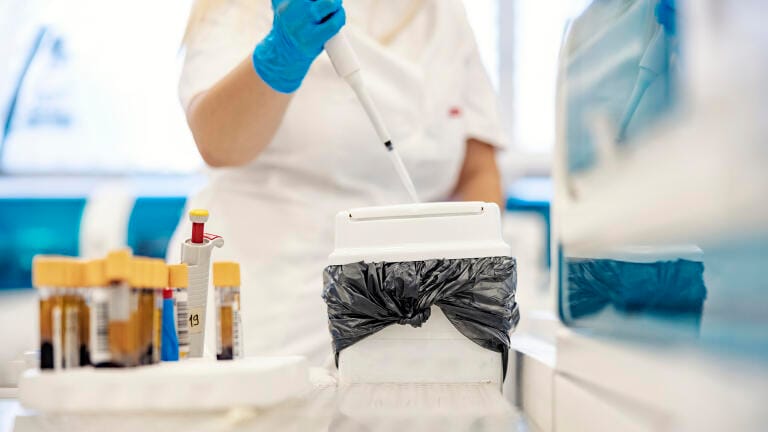

Pipettes
Laboratories face growing pressure to reduce their environmental impact without compromising the precision, safety, and reliability that science and healthcare demand.
Plastic waste remains one of the industry's greatest sustainability challenges. While plastic plays a critical role in contamination control and laboratory performance, viable alternatives that deliver the same levels of consistency, functionality, and reliability are still limited.
By rethinking product design, reducing material consumption, and improving sustainability throughout the entire product lifecycle.
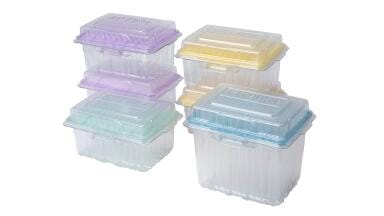
Developed with both performance and the planet in mind, Alpha Laboratories’ sustainable tip ranges, Fastrak®, FastZap™ and Zap™ Premier, provide a smarter approach to laboratory consumables, helping laboratories reduce their environmental footprint without sacrificing quality.
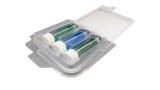
These innovative tip systems are manufactured using recyclable materials and are free from harmful chemicals. The transfer cover, designed to protect tips from contamination, is made from 100% recycled and recyclable PET, while the colour-coded platforms are produced from 100% recycled polypropylene. FastZap also features a reclosable fibre package exterior made from recycled FSC-certified paper and printed with vegetable-based inks.
Our commitment to circular production is reflected in the incorporation of both post-consumer and post-industrial recycled materials, helping to support a more sustainable and circular economy.
The ranges have been engineered to minimise plastic consumption while increasing the use of readily recyclable components. Approximately 60% of the product consists of usable laboratory consumables, with the remaining 40% dedicated to environmentally conscious packaging. In addition, the stack base is made from 100% bioplastic, is fully recyclable, and is certified net-negative for carbon, sequestering around three times its own weight in CO₂.
Through optimised design, unnecessary material has been eliminated to create a lighter product. This not only reduces waste but also lowers transportation-related emissions throughout the supply chain.
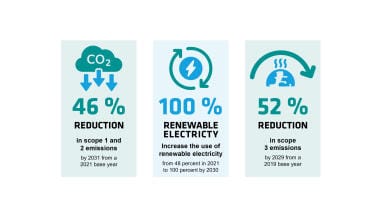
Sustainability is further supported through responsible manufacturing practices. These products are produced using renewable energy and supported by closed-loop water systems, helping to reduce overall resource consumption.
More information online
ILM 51.6 Sept 2026




 Product directory




















.jpg)