
Laboratory products
Published over 6 years ago. See the latest and most current information on Laboratory products.
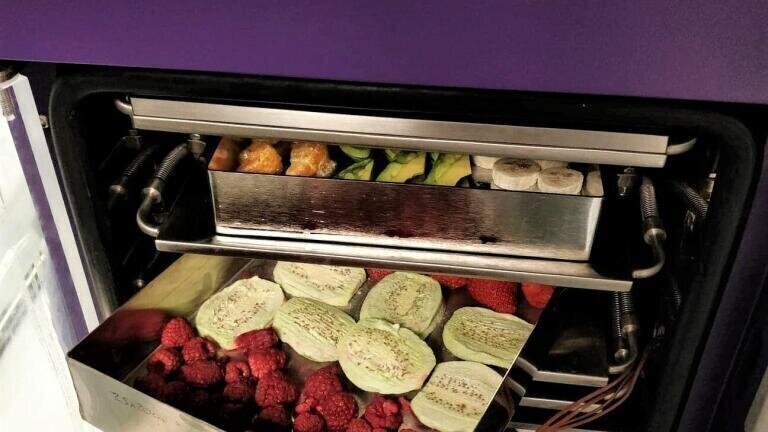
Freeze drying (lyophilisation) is the most widely used alternative to evaporative techniques in food processing. The process is based on ice crystal sublimation, allowing to achieve a high-quality product. The process consists in freezing the product and decreasing both pressure and temperature below the water triple point (0.01 °C and 6.1 10-3 bar). The resulting sublimation at negative temperatures limits both chemical reactions and product degradation. Pre-treatments in hypertonic solutions are often carried out to better preserve the structure on freezing and drying as well as to enhance the product appearance and rehydration.
Freeze drying is beneficial for a wide range of products including fruit and vegetables, dairy, pet food, beverages, meat, fish and seafood as well as nutraceuticals (e.g. sport supplements probiotics).
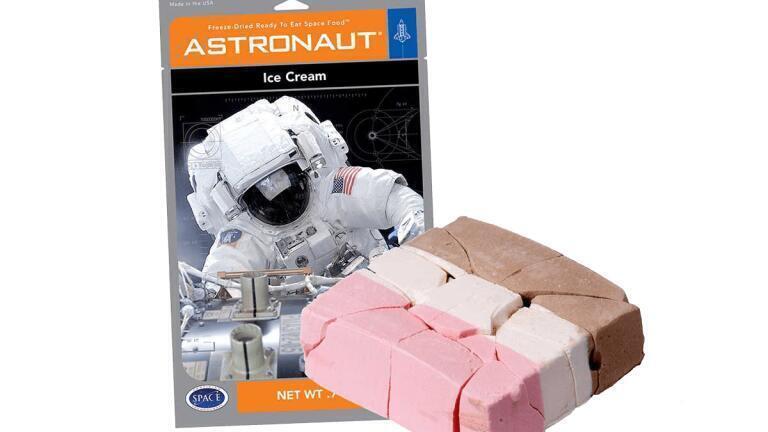
Since freeze drying produces superior products, the range of potential users has grown exponentially to fulfil the request of military units and special forces during space and naval missions or in remote bases, tourism, athletes for extreme sports and expeditions, organisations such as UNESCO in places that are hit by disasters or conflicts, international humanitarian movements.
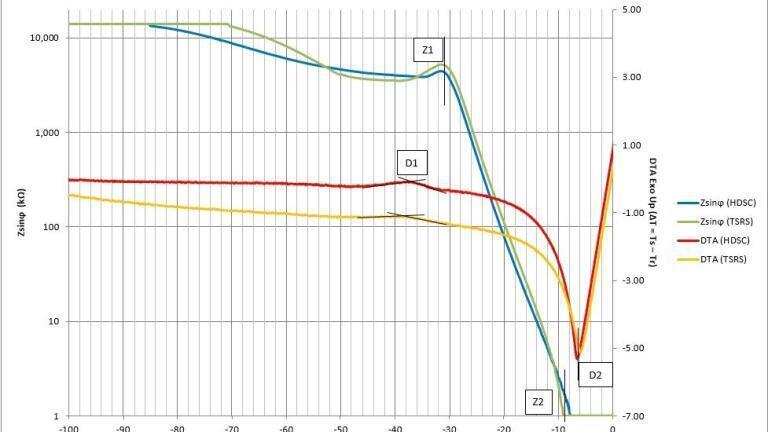
Biopharma has expanded their facilities for food freeze drying, introducing services built on a QbD approach that aim to assist in achieving the best results to meet customer requirements in terms of shelf life, appearance and physico-chemical properties. An initial characterisation of the thermal behaviour of the pre-lyophilised product is essential in order to design a tailored drying cycle. Without it, the risk is to use a freeze drying process that dries the product, but not in an efficient way, irreversibly affecting the quality. Technologies such as freeze drying microscopy (Lyostat), DTA & impedance analysis (Lyotherm) and differential scanning calorimetry (DSC) are typically used to fully understand the food thermal behaviour.
To read the full article, click here
More information online
ILM 51.6 Sept 2026


 Product directory


.jpg)
.jpg)










.jpg)
.jpg)
.jpg)






.jpg)
