
LIMS
Published over 3 years ago. See the latest and most current information on LIMS.
New technologies like high-throughput liquid chromatography-mass spectrometry have made laboratory workflows more efficient than ever. This has led to a drastic increase in data quantities, which poses a unique set of challenges for laboratories. Below, we take a closer look at some of the challenges of lab data management and how to overcome them.
Advances like high-throughput sequencing technologies and automated liquid-handling robotics generate a huge amount of data. Modern labs must be equipped with solutions to transfer this raw data into useful information. This includes digitalised solutions to track samples, as well as analyse results and visualise data through the creation of graphs, tables and reports.
In scientific laboratories, every snippet of data is important. Efficient data management solutions ensure nothing slips through the cracks. This helps labs get the absolute most out of their data, even when volumes are overwhelmingly high.
The best laboratories take a proactive, not reactive, approach to data management. As mentioned earlier, technologies like high-throughput sequencing generate enormous data loads. Predicting data management needs and investing in solutions before problems appear is one of the best ways for labs to maintain efficiency and maximise the value of data.
Digital technologies have made it easier than ever for labs to manage data and drive innovation. However, switching from paper trails to digital platforms does pose a cybersecurity risk. Data management solutions shouldn’t just store laboratory data. They should protect data with watertight security measures designed to prevent unauthorised access.
A recent cyber attack on an Australian pathology company demonstrates how vulnerable laboratory data can be. Medlab Pathology confirmed hackers gained access to the data of more than 220,000 patients and posted it on the dark web. This includes individual medical records, as well as credit card details and national healthcare numbers.
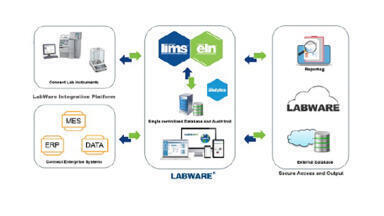
So, how can laboratories address these challenges? Laboratory Information Management Systems (LIMS) step up and meet the continually evolving needs of modern labs. The latest generation of LIMS software is equipped with advanced information management features that support digitalisation and make it easy for labs to track, analyse and protect data.
Find out more about the benefits of LIMS for labs specialising in bioanalytical drug development, petrochemicals, medicinal cannabis and more in our complete guide, ‘What is a Laboratory Information Management System (LIMS)?’
ILM 51.6 Sept 2026



 Product directory























.jpg)
