Lower levels of "carbon black and soot" could be achieved thanks to the
latest microscopy developments.
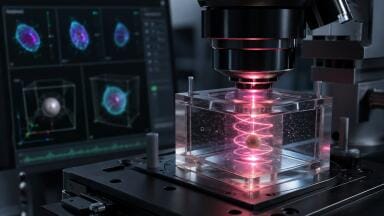
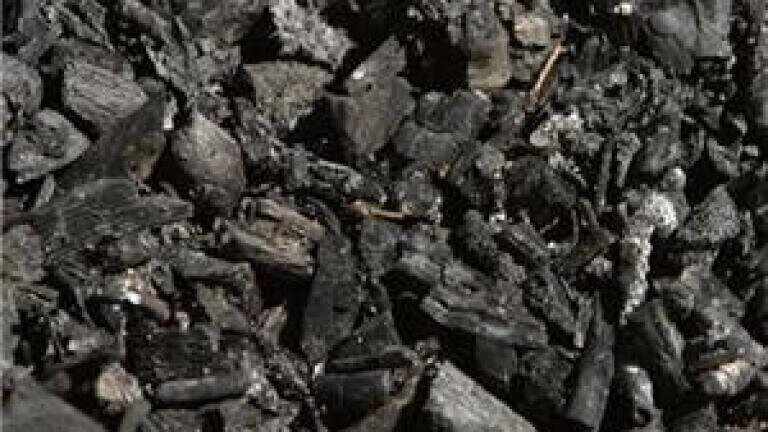
Researchers at SanAir Technologies Laboratory have developed an electron microscope with 100,000x magnification, capable of detecting tiny particles of soot in the air.
SanAir president Sean McGlynn says: "Carbon black and soot cause millions of dollars in environmental and health damage each year."
He adds that he is pleased that the company's
latest microscopy development is a means of detecting the substances.
Soot can travel far further than the smoke from a fire, ultimately being sucked into ventilation, heating and cooling systems, the company warns.
Meanwhile, carbon black consists of nanoscale particles and is associated with an increased likelihood of developing lung cancer.
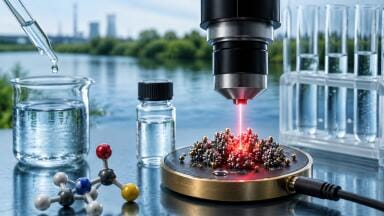
SanAir Technologies Laboratory also applies its microscopy technology to detecting asbestos fibres in bulk samples, along with analysing water, soil and dust by transmission electron microscopy and polarised light microscopy methods.





 Product directory