News
Published over 10 years ago. See the latest and most current information on News.
For centuries, medical scientists have battled with the enigma of disease. From catastrophic epidemics that sweep the globe to small scale outbreaks that can be strategically managed, pathological conditions come in a myriad of forms. But what causes disease? The arena is complex and multifaceted, with a host of different contributing factors.
Disease thrives in certain environments, and injury and infection are two common causes that facilitate development. For example, an eye injury can lead to the development of a fungal disease due to inflammation or infection of the cornea. The same concept applies to cuts, abrasions, burns and other incidents that leave the body vulnerable to viruses. Physical fitness is another factor, with lack of exercise associated with the development of heart disease and Type 2 diabetes.
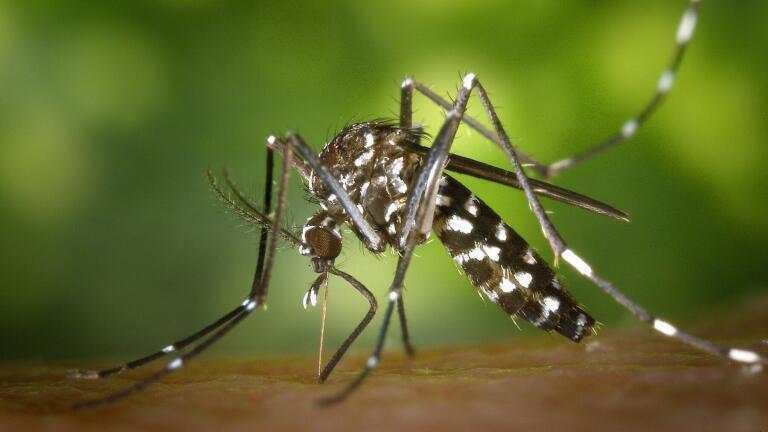
From a social perspective, lifestyle is definitively in the spotlight when it comes to disease succesptibility. For example, while the parasite Plasmodium is what triggers cases of malaria, it’s a host of other factors that influence whether or not a person succumbs to the disease. Strength of the immune system plays a major role in fighting off malaria, which means children, pregnant women and the elderly are more likely to fall victim to the disease. Similarly, disease is more likely to develop in communities living in poverty, where access to clean water, fresh food and healthcare are scarce.
As well as external factors that can be controlled to some extent, disease can also develop through genetic pathways. Put simply, genes instruct the body on how to make different proteins, and what variations to create. These are an essential part of a healthy, fully functional body. When genes mutate or malfunction, this can disrupt the creation of proteins and hinder the body’s performance. Some genes are the cause of common conditions, while others are associated with rare genetic conditions.
Ultimately, understanding the variables is a crucial part of determining what causes disease. As well as the physical factors, social variables are also hugely influential. An appreciation of the relationship between viruses and disease is another important concept. For more insight into this arena, ‘Clinical Evaluation of a Multiplex Real-time PCR Assay for the Detection and Quantification of Hepatitis E Virus’ is a discerning read. It explores how the non-enveloped, positive-sense, single-stranded ribonucleic acid (RNA) virus triggers liver disease, as well as looks at new diagnosis techniques.
ILM 51.6 Sept 2026



 Product directory