News
Published over 5 years ago. See the latest and most current information on News.
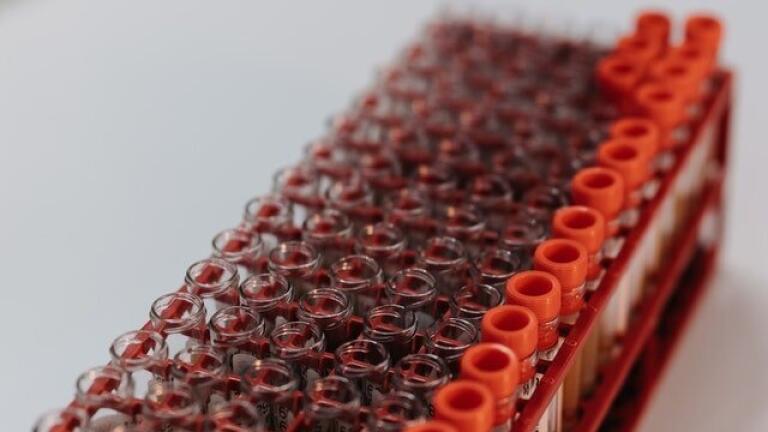
From university laboratories to state-of-the-art national facilities, biological samples are the bread and butter of medical research. Stocked with high-quality specimens, these biorepositories supply researchers with the raw samples they need to understand more about aggressive diseases, develop new vaccines, accelerate new genomics breakthroughs and more.
Essentially, biobanks serve as well-stocked libraries for life sciences researchers. Instead of having to invest time and resources into recruiting participants for a study or sourcing specimens from individual volunteers, biobanks unlock instant access to high-quality samples. Access to biorepositories drastically improves efficiency across the board, making studies faster and more efficient.
The types of samples stored at biobanks varies, with some biorepositories storing blood and others focusing on saliva, urine or bronchoalveolar lavage (BAL) samples. Other sample types include skin biopsies, removed cancer tumours, spinal fluid, umbilical cord blood, fat samples and even whole organs.
Context is hugely important when stocking biobanks with samples. This is because the characteristics of a specimen can vary significantly depending on the source. For example, lung tissue from a non-smoker will be much healthier than lung tissue from a heavy smoker. Recording variables such as height, weight, lifestyle, overall health and family history helps to give context to samples and improve the quality of samples.
Industry experts refer to this as ‘biospecimen provenance information’ and stress the importance of detailed tracking and labelling. Biobanks that have attained gold-standard licencing, including ISO9001/ISO20387 certification, US CAP Accreditation and accreditation from the UK Human Tissue Authority, generally provide much higher quality samples.
Many countries fund their own independent projects designed to increase biosample availability and support new research. In the United Kingdom, the long-term UK Biobank study aims to explore how genetic predisposition and environmental factors contribute to disease development. The project was founded in 2006 and has accumulated a goldmine of data over the past 15 years.
“UK Biobank is a large-scale biomedical database and research resource, containing in-depth genetic and health information from half a million UK participants,” reads the UK Biobank website. “The database is regularly augmented with additional data and is globally accessible to approved researchers undertaking vital research into the most common and life-threatening diseases. It is a major contributor to the advancement of modern medicine and treatment and has enabled several scientific discoveries that improve human health.”
While accessing biosamples is generally straightforward for public sector hospitals, universities and research institutes, the process can be more complicated for independent pharmaceutical and biotechnology companies. Robert Hewitt, founder of UK-based company Biosample Hub, explores the topic further in ‘The challenges of biosample access and what needs to change.’
ILM 51.6 Sept 2026



 Product directory