News
Published over 11 years ago. See the latest and most current information on News.
The European Society of Clinical Microbiology and Infectious Diseases (ESMID) has launched two new study groups; the Forensic and Postmortem Microbiology Study Group (ESGFOR) and the Veterinary Microbiology Study Group (ESGVM).
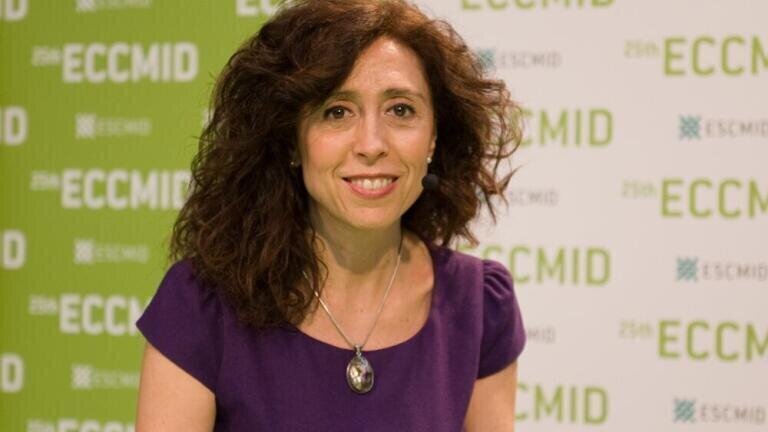
Professor Amparo Fernandez-Rodriguez, from the National Institute of Toxicology and Forensic Sciences, Madrid, is the head of ESGFOR and stresses the importance of this group in facilitating cooperation between (forensic) pathologists and (forensic) microbiologists.“We are trying to convince medical examiners and judicial authorities of the importance of performing post mortem microbiology studies to learn from how people have died and prevent future occurrences.”
Identifying the causes behind a person’s death can help trigger a prevention plan. In discovering the bacteria involved, correct treatment strategies can be implemented and, in some cases, vaccines can be administered. Fernandez-Rodriguez spoke at the ECCMID 2015 conference in Copenhagen on the group’s goal to establish European guidance for standardised microbiological sampling in forensic cases.
The newly formed Veterinary Microbiology Study Group, chaired by Professor Luca Guardabassi from the University of Copenhagen, aims to contribute to the advancement and harmonisation of methods for diagnosis and antimicrobial susceptibility testing (AST) of veterinary pathogens. The group will create a European network for the surveillance of zoonoses (diseases that are transmitted from animals to humans) and antimicrobial resistance in animal populations as well as for early detection of new or exotic infectious agents using animals as sentinels of human disease.
Guardabassi stresses the importance of creating a networking forum for veterinary microbiologists to share and support the best antimicrobial stewardship and infection control practices in this field, commenting: “ESGVM provides veterinary microbiologists with a window to freely discuss on-going research and developments.” Another major goal of the group is to optimise formulation and dosing regimens of veterinary anti-infectives, in order to improve clinical efficacy and reduce resistance development.
ILM 51.6 Sept 2026




 Product directory