Laboratory events news
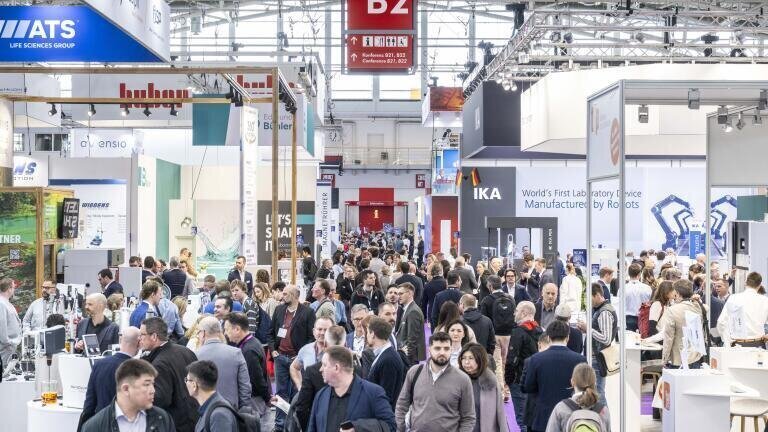
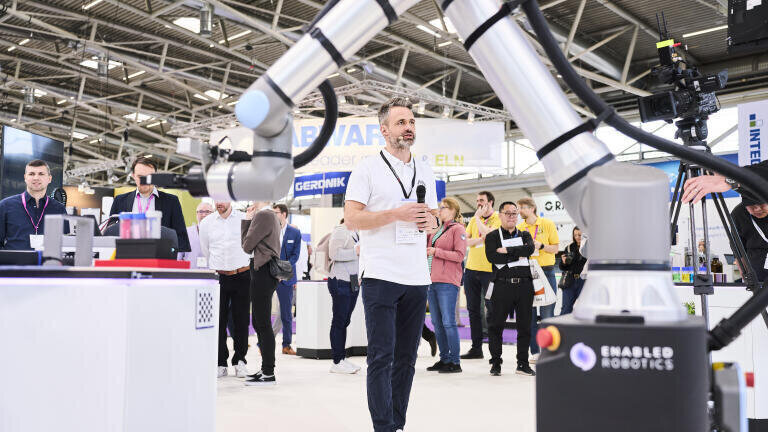
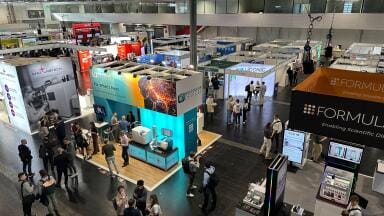
Packed halls, rising international attendance and a strong focus on future-ready technologies defined analytica 2026, underlining its role as a key meeting point for the global laboratory community.
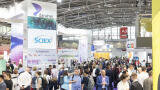
Held in Munich from 24–27 March, the exhibition welcomed around 35,000 visitors from 115 countries, alongside 1,135 exhibitors representing 40 nations. Across the show floor, the message was clear: laboratories are becoming increasingly digital, automated and data-driven, with artificial intelligence firmly in the spotlight.
According to Dr Reinhard Pfeiffer, CEO of Messe München, the event’s growth reflects both its global reach and the strength of the sector. He noted that analytica continues to highlight an industry that underpins key application areas including life sciences, environmental monitoring and food quality.
This forward-looking focus was echoed by Exhibition Director Susanne Grödl, who pointed to the event’s ability to bring emerging trends into practical focus. From the exhibition floor to the conference programme, discussions consistently returned to the same themes: automation, sustainability and the integration of intelligent technologies across laboratory workflows.
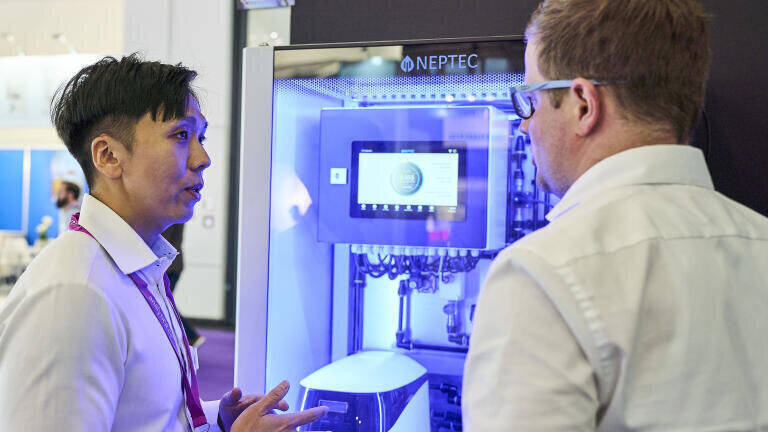
Exhibitors reported sustained engagement throughout the four-day event, with many stands busy from open to close. Gunther Wobser, Managing Partner of Lauda Dr R. Wobser and new Chairman of the analytica Advisory Board, described analytica as the industry’s central international meeting point, while Sylveer Bergs, Managing Director of Thermo Fisher Dreieich, highlighted the shift towards connected, end-to-end solutions combining analytics, life sciences and digital infrastructure.
Despite ongoing market pressures, there was a clear sense of optimism. Mathis Kuchejda, Managing Director of Schmidt + Haensch and Chairman of the Analytical, Bio and Laboratory Technology Division at industry association Spectaris, pointed to sustained innovation and long-term growth prospects, with the global laboratory market expected to expand at around 5% annually. Investment in automation, robotics and pharmaceutical research continues to drive this trajectory.
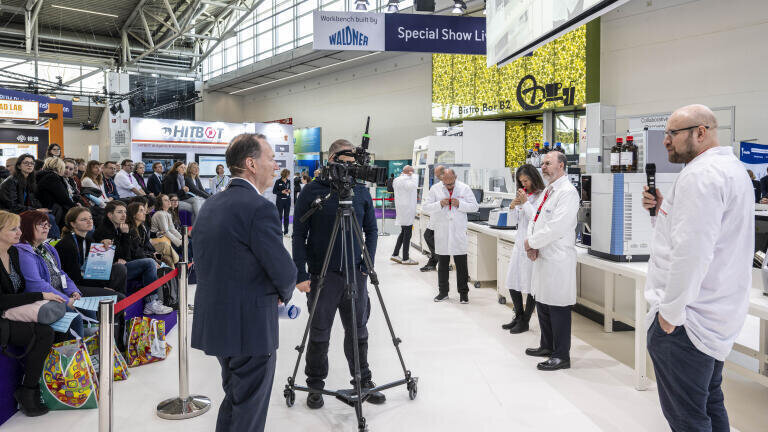
Beyond the exhibition stands, analytica’s programme brought key themes to life through interactive formats and live demonstrations. The Digital Transformation special show drew strong interest, with visitors engaging in detailed discussions around AI, robotics and lab connectivity.
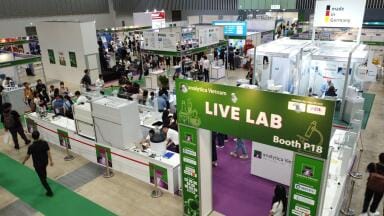
In the Live Lab, audiences gathered to watch real-world laboratory workflows in action, while the Lab Safety Forum combined education with dramatic demonstrations highlighting everyday risks. The final-day Jobday also proved popular, connecting early-career scientists with potential employers and offering insight into evolving career paths.
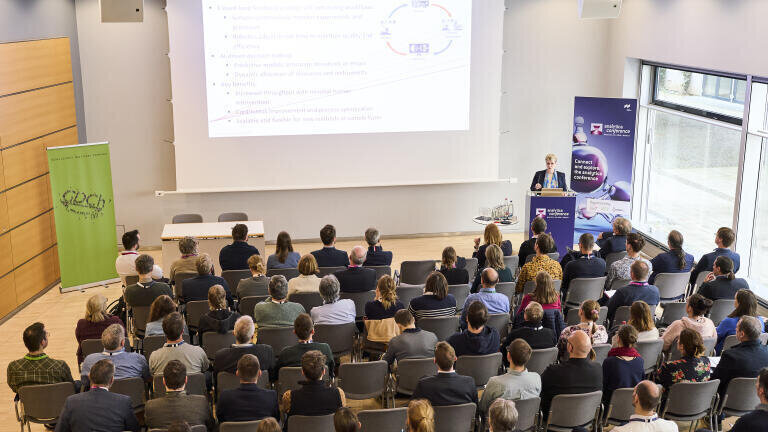
Alongside the exhibition, the analytica conference attracted more than 2,000 participants, reinforcing its status as a major forum for scientific exchange.
Professor Gertrud Morlock from Justus Liebig University Giessen emphasised the central role of analytical science in advancing knowledge, presenting work on sustainable miniaturised laboratory systems. Sessions throughout the conference explored topics ranging from green lab concepts to advanced analytical techniques, with several reaching full capacity.
The 2026 edition saw an increase in both exhibitor and visitor numbers compared with the previous event. More than half of exhibitors travelled from outside Germany, with strong representation from across Europe, Asia and North America. International visitors accounted for around 40% of total attendance, reflecting analytica’s continued global appeal.
The next edition of analytica will return to Munich from 25–28 April 2028, bringing the international laboratory community together once again to explore the technologies shaping the future of science.
More information online
ILM 51.6 Sept 2026




 Product directory














.jpg)
.jpg)

.jpg)

.jpg)