Laboratory products
Published over 7 years ago. See the latest and most current information on Laboratory products.
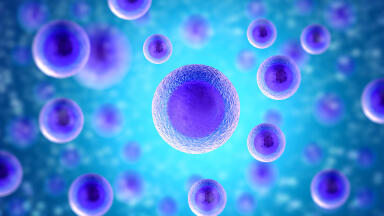
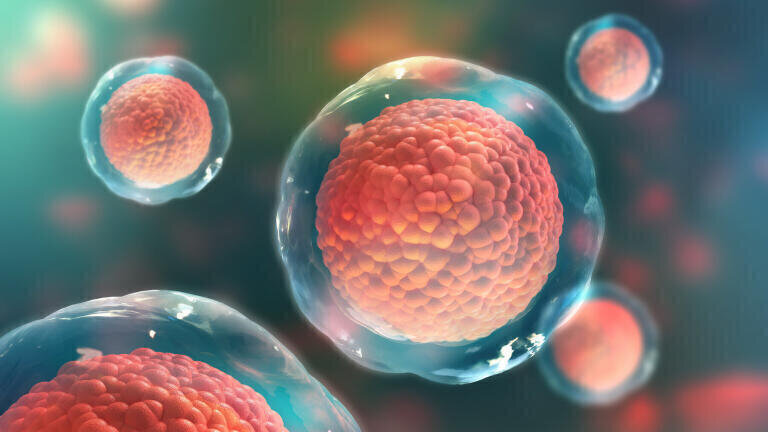
Amsbio has established a comprehensive portfolio of knock-out cell lines and lysates generated with CRISPR/Cas9 technology.
Using CRISPR/Cas9 gene editing technology for the generation of knock-out cell lines and cell lysates ensures the development of useful tools to validate antibody specificity and elucidate gene function. Knock-out cell lines and cell lysates are widely agreed to be the best negative controls to quickly and confidently prove an antibody’s specificity for a target of interest and ensure reproducibility.
Generated in the most widely used HEK293T, HeLa, and A549 cell lines, Amsbio gene edited homozygous knock-out cell lines work in the cells you know and trust. Consequently, you are no longer limited to highly specialised and altered backgrounds. Amsbio offers only 100% knock-out clonal lines meaning you don't have to work with pools of cells containing only a percentage of knockout cells.
Knock-out cell lysates from Amsbio are made from double knock-out cell lines and provide the perfect negative control for Western Blots to validate the specificity of antibodies or be used in functional assays. Each Amsbio knock-out cell lysate product comes with a cell-line matched wild type control.
ILM 51.6 Sept 2026



 Product directory


.jpg)
.jpg)










.jpg)
.jpg)
.jpg)
.jpg)