Laboratory products
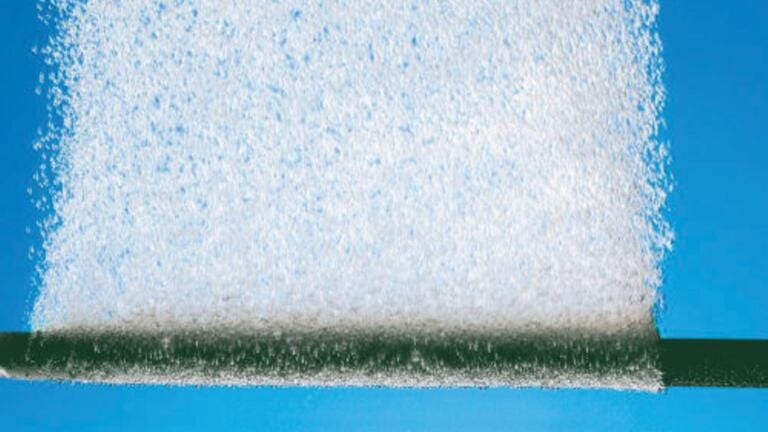
Biotech Fluidics has introduced a range of micro spargers designed to reduce bubble size and increase both gas transfer and the volumetric mass transfer coefficient (kLa) in bioreactor systems. The company said the devices could lower gas consumption and improve upstream reactor yields.
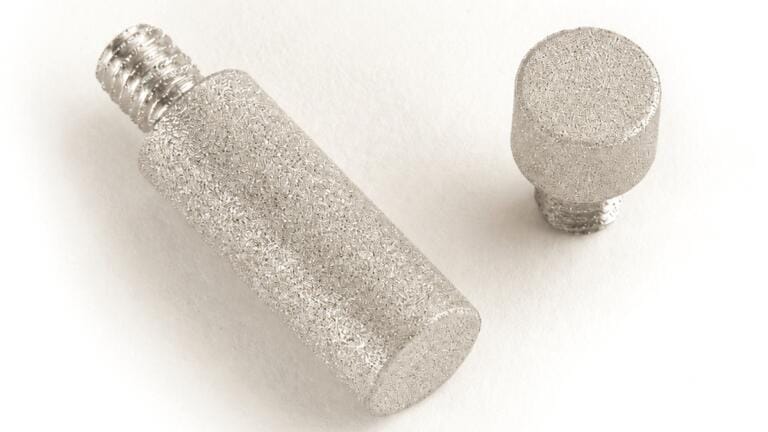
A micro sparger introduces a gas – such as air, oxygen or carbon dioxide – into a liquid in order to generate very small bubbles. The devices are typically manufactured from sintered porous materials, including stainless steel. Because the resulting bubbles are so small, they increase the surface area available for gas-liquid contact which supports more efficient mass transfer and underpins processes such as aeration and fermentation.
Biotech Fluidics has partnered with MOTT Corporation to supply micro spargers for bioreactor applications. The devices are intended to dissolve gases efficiently, support cell growth and provide agitation. According to Biotech Fluidics, the micro spargers have increased mass transfer rates in benchtop laboratory bioreactors and fermenters by 100 to 400 per cent, compared with standard drilled pipes or single-opening dip tubes.
Biotech Fluidics offers a range of porous metal sparger tips for laboratory- and pilot-scale bioreactors and fermenters. Media grades span 2 µm to 15 µm which the company said allows a micro sparger to be matched to the bubble size best suited to a given medium, organism and mass transfer requirement.
ILM 51.6 Sept 2026




 Product directory