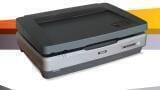
Synbiosis has announced its ProtoCOL automated colony counter is
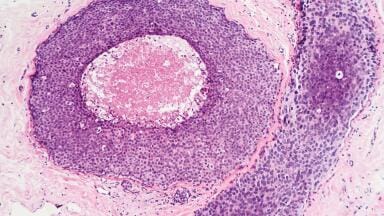
being successfully used by the Skin Research Centre (SRC) at the University of Leeds, one of Europe's leading dermatology centres, to rapidly test the effectiveness of new anti-microbial therapies to treat acne, dermatitis and other skin diseases.
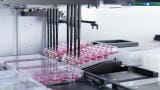
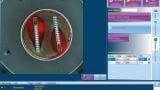
Microbiologists at the SRC are using the ProtoCOL in conjunction with WASP automated spiral platers (Don Whitley Scientific, Shipley, UK), to rapidly process samples containing microorganisms taken from patients being treated with anti-microbial drugs and topical therapies. The plate counts generated are then used to determine which treatments are the most effective at reducing the number of microorganisms associated with diseases on the skin of clinical trial subjects.
Collette Lindley, Research Assistant at the SRC stated: commented: "As a UKAS accredited laboratory we are very conscious of issues of data quality. Our clinical trial data is also subject to audit by regulatory
authorities at any time. Therefore, we need GLP-compliant electronic records to support our paper information and the ProtoCOL makes it really easy to do this."
Martin Smith for Synbiosis commented:" We are delighted so see the ProtoCOL being used routinely at such a major dermatology centre as the SRC. The SRC's successful utilisation of the ProtoCOL to help evaluate new treatments for skin conditions shows this system is an excellent tool for any laboratory that wants to produce rapid, well documented results from clinical trials of anti-microbial therapies."



 Product directory