
News
A Northwestern University Medicine specialist has argued that alarmist coverage of a hantavirus cluster aboard a cruise ship, alongside renewed Ebola concerns, shows why public health bodies must communicate risk more clearly and consistently, particularly as funding for pandemic preparedness research comes under renewed pressure
In the few years since the COVID-19 pandemic, a series of infectious disease outbreaks, including a hantavirus cluster aboard the MV Hondius and renewed concern over Ebola, have underlined the continued need for public health communication that is clear, consistent and free from alarm, according to Dr Jennie H. Kwon, an infectious diseases expert at Northwestern University Medicine.
Kwon set out her concerns in a forthcoming perspective piece for JAMA Internal Medicine, part of the JAMA Network. She is chief of infectious diseases in the department of medicine at Northwestern University Feinberg School of Medicine, Chicago, Illinois, USA, and also practises as a physician at the school.
“We need public health experts, institutions and media capable of informing, educating and guiding the public in both rare, low-pandemic risk infectious diseases like hantavirus, and more serious pathogens like Ebola,” wrote Kwon and her co-authors.
“The significant attention and frenetic news cycle focused on [the hantavirus] outbreak should remind public health officials of the need for frequent, clear and objective communication,” they said.
“Coordination between governments and transportation systems, including cruise ships, is complex but imperative,” the authors wrote.
“And ultimately, the media and public still look for expertise in individuals and institutions, despite trust in both having weakened during the COVID-19 pandemic.
“This small outbreak on a cruise ship required significant guidance from World Health Organization (WHO) experts,” they added.
Kwon and her co-authors also asked whether the response to the hantavirus outbreak might serve as a proxy for the broader ability of public health systems to respond to a pandemic.
“Alarm and fear were a significant part of the response. The media and some experts have generated attention by implying hantavirus posed a risk to the average American – which it did not – this may impact policy.”
The piece further considers the burgeoning threats to public health that stem from reduced investment in research.
“Scaling back research on potential pandemic pathogens and countermeasures needed for preparedness reduces our ability to respond,” the authors wrote.
They also drew a comparison between two recent outbreaks.
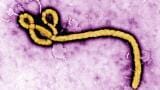
“The scale and greater risk of transmission have led the WHO, appropriately, to declare this Ebola outbreak as a health emergency.
“However, the Andes virus outbreak that ended with 13 confirmed cases attracted equal or greater attention by the media despite posing a much smaller risk than Ebola virus disease to the population in affected countries as well as the possibility of cases in travellers.”
The authors' observations pointed to a central concern that the tone and consistency of public health communication, rather than the scale of a given outbreak alone, may determine how effectively the public responds to novel infectious disease threats.
Kwon's piece argues that public trust, once diminished, is not easily rebuilt, and that officials, scientists and media outlets alike bear responsibility to calibrate their communication to the true level of risk, rather than to the intensity of public interest, or any given day’s relative news cycle.
For further reading please visit: 10.1001/jamainternmed.2026.3600
ILM 51.6 Sept 2026



 Product directory




























.jpg)
