News
Published over 11 years ago. See the latest and most current information on News.
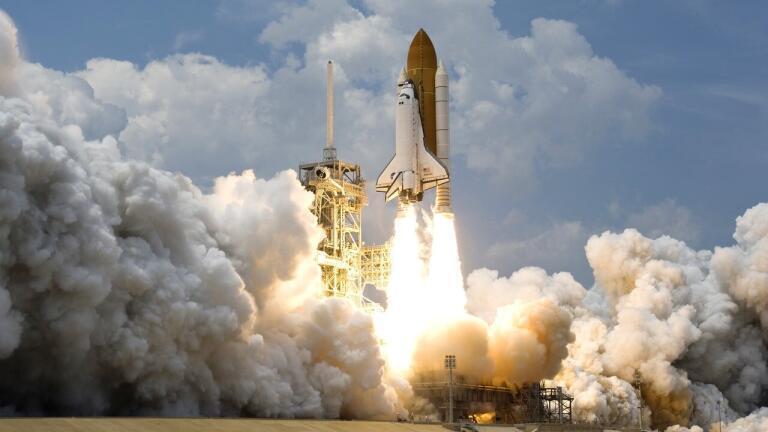
NASA may have successfully tested a form of space flight that could carry people to the moon in just a few hours — and eventually let us fly at a velocity close to the speed of light.
According to users on the forum NASASpaceFlight.com, the agency has built an electromagnetic (EM) drive, using technology that shouldn’t be possible under current understanding of physics. Some of these users have apparently been verified as NASA engineers currently working on the plan.
The technology behind EM drives has been demonstrated before but the results have been disputed. A controlled demonstration in conditions like those in space could be enough to begin the process of proving that such a project could be used in practice.
The device works by propelling objects through space, using magnets to create microwaves with a device, and then using these microwaves to create thrust.
If the theory works in practice it could remove the necessity for large amounts of fuel for momentum and limitations on speed and distance of travel. In order for this to happen, the spacecraft would need to carry a nuclear power plant to create the required energy.
But if scientists were able to develop such technology, it could eventually lead to a spacecraft that can move at almost 10 per cent of the speed of light — much, much faster than any man-made and controlled object has ever gone before. A piloted ship could get to Alpha Centauri, a bright star 1.34 parsecs from us, in only 92 years.
Nasa's official site stated: "There are many 'absurd' theories that have become reality over the years of scientific research." The post, updated recently, did however go on to state that ''for the near future, warp drive remains a dream".
According to the forum users, the technology has been tested at the Johnson Space Center. Last year NASA verified that the claims of Roger Shawyer, who invented the technology, did appear to be true, but those tests took place using low power and not in the space-like environment that the new testing seems to have been done in.
Others are more than a little sceptical, pointing out for example, that it violates one of the fundamental tenets of physics: conservation of momentum. Saying that a drive can produce thrust without propellant going out at the tail-end is like saying that you can drive your car just by sitting in the driver’s seat and pushing on the dashboard.
To read more about the power of NASA technology, read our article 10 NASA Spin-off Technologies that Shape Our Lives Everyday.
ILM 51.6 Sept 2026




 Product directory


.jpg)