News
Published over 11 years ago. See the latest and most current information on News.
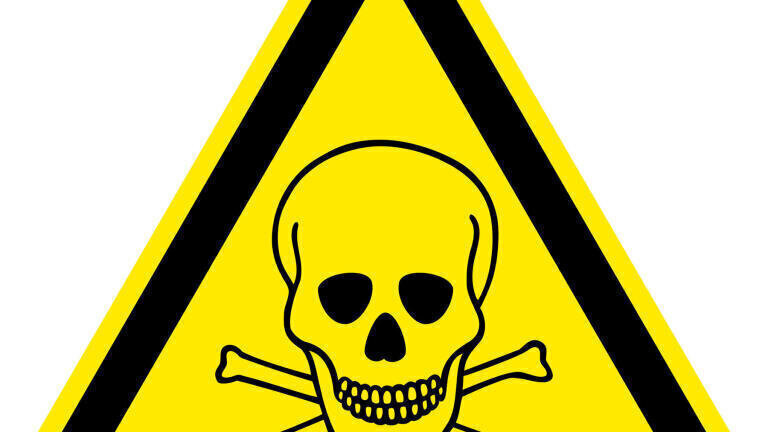
Hazardous substances are materials, gases, chemicals or germs which can cause damage or debilitation to a person’s health. These are present all around us in our everyday lives, in many household products, commodities and even in the air we breathe.
For the most part, they come into contact with us in such small quantities that they are virtually harmless. However, there are exceptions to this rule, of course. Babies and infants are particularly susceptible to them, due to the fragile and developing nature of their bodies and the inquisitive nature of their minds. The article, The Bogeyman is Real - Chromium (VI) Determination in Toys, looks at the directives and regulations imposed upon toy manufacturing to reduce risk to little ones.
Whilst most adults are immune to the negligible levels of hazardous substances they come into contact with, many are exposed to heavier dosages due to their work habits. In the UK, a body of safety measures known as Control of Substances Harmful to Health (COSHH) was brought into force in 2002 to deal with dangerous substances in the workplace. The varieties of substances to which COSHH applies include:
The following are also considered hazardous substances, but due to their having their own legislation and specific regulations, are not covered by COSHH:
In 2009, the Institute of Engineering and Technology (IET) published an article, A Picture of Health - Workplaces That Are Bad for Your Health Are Bad for Your Business, in its Annual Buyers’ Guide. The article pointed out the poor standards of safety in many UK workplaces and the drastic need for measures to be taken to counteract this.
COSHH is an attempt to rectify this, by putting in place a series of guidelines with which employers must comply in order to operate legally. However, figures published by the Health and Safety Executive (HSE) several years later reveal that 2.1 million people still claimed to be suffering from a work-related injury or illness. This fact highlights the need for greater care to be continually taken when working with harmful substances in the workplace.
ILM 51.6 Sept 2026

 Product directory














.jpg)
,-photo-Karin-Allander.jpg)





.jpg)
,-photo-Karin-Allander.jpg)