News
A protocol using a small fluorescence reader and portable heater detected RNA viruses from dried whole-blood samples, avoiding laboratory purification steps
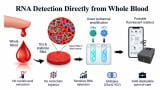
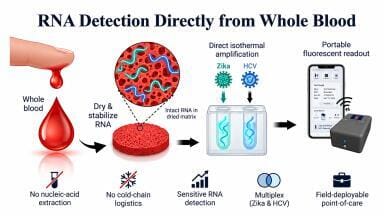
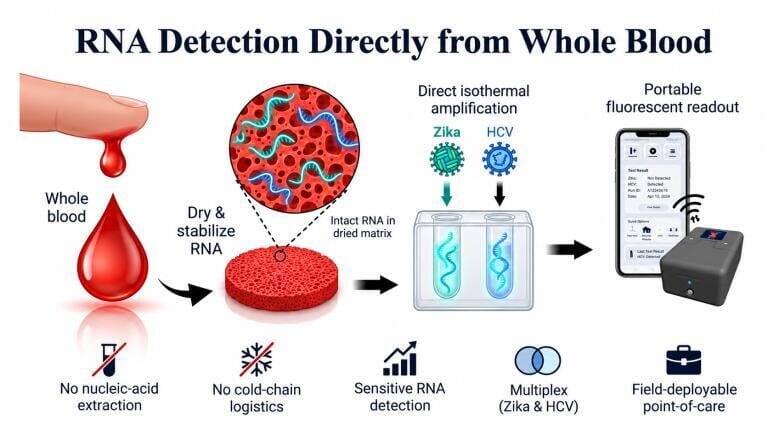
A point-of-care protocol detected viral RNA in whole blood without the purification normally required before molecular testing, researchers at the University of Illinois Urbana-Champaign, USA, have reported. The method uses heat to dry a blood sample before amplification and fluorescence detection and can be completed on site in a few hours.
Most standard molecular tests remove substances in blood that can interfere with detection. This purification requires equipment such as centrifuges and extraction instruments, which are usually found in central laboratories. Attempts to simplify the process can lose sample material and reduce sensitivity.
The research team designed a different workflow, drawing on dried blood spot testing. A finger-prick sample is dried, then processed using a biphasic reaction developed by the group. The researchers said this approach avoids sample loss associated with conventional purification. They adapted it for RNA viruses, which are difficult to detect because enzymes in blood can quickly degrade RNA, especially when heat is applied.
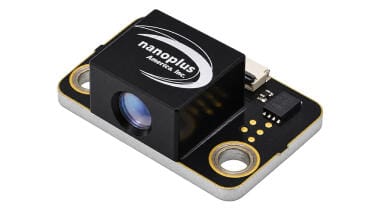
The protocol was designed for viruses including Zika and hepatitis C. It requires a portable heater and a pocket-sized fluorescence reader developed by the collaborating team. The researchers said that these devices use little power and could support testing where access to central laboratories is limited.
“We want to shift that to point-of-care testing, where the processing is performed where the sample is collected,” said study lead author Jongwon Lim. The work remains a research protocol; the supplied study summary does not report a clinical trial demonstrating diagnostic performance in routine care.
The approach builds on the group’s earlier biphasic reactions for deoxyribonucleic acid (DNA) detection. Rather than copy central-laboratory sample preparation at a smaller scale, the method was designed around the constraints of testing where blood is collected. In prior work, the team found that avoiding purification helped retain target material and preserve sensitivity at low concentrations.
Adapting the technique to RNA posed a separate problem. Ribonucleic acid (RNA) is less stable than deoxyribonucleic acid (DNA), and enzymes in blood can break it into fragments that are difficult to amplify. Heat can accelerate that degradation. Lim and colleagues tested hundreds of reagent combinations and investigated why some conditions preserved the viral material while others led to amplification failure.
The method dries the sample before amplification and detection, with procedures intended to protect RNA at each stage. The fluorescence reader was developed by the electrical and computer engineering team and described earlier in the Institute of Electrical and Electronics Engineers (IEEE) Sensors Journal. Although the equipment is portable and uses little power, diagnostic accuracy, usability and reliability will need to be established in clinical studies before routine deployment.
The study was a collaboration between the research groups of Rashid Bashir in bioengineering and Brian Cunningham in electrical and computer engineering. It was designed to address a practical constraint in regions where time-sensitive diagnosis is difficult because samples must travel to a central facility. Testing at the collection site could reduce that delay if the method proves reliable and if healthcare workers can use it consistently.
The authors note that existing point-of-care adaptations often miniaturise laboratory preparation while retaining a purification step. Their method instead tries to avoid purification altogether. The reported protocol is a technical advance, but the supplied research description does not establish its sensitivity and specificity for patient diagnosis across a large clinical population.
For further reading please visit: 10.1126/sciadv.aeb6129
ILM 51.6 Sept 2026
 Product directory