News
Published over 12 years ago. See the latest and most current information on News.
Genetically modified organisms (or GMOs) are organisms or microorganisms whose DNA has been manipulated to achieve a constitutional make-up that would not naturally occur. Technically, we can trace the use of genetic modification as far back as 10,000 years, when we moved away from hunting-gathering to a more agricultural lifestyle. This is because selective breeding of animals for the specific purpose of consumption is technically modifying their natural state. However, in recent years, the advance of technology allows us to artificially alter the DNA of a plant or animal. This has become more widespread in laboratories since the 1980s and is seen by many as a useful way of maximising our resources and tailoring nature to meet our needs.
There are a wide variety of reasons why genetic modification of organisms has been pursued and a huge number of applications. Some of these include:
These last two functions in particular are sources of both excitement and controversy. Whilst manufacturing “designer” crops which can have the added benefits of increased size, speed of growth or resistance to pesticides, there are concerns that meddling with the natural order of things could have disastrous consequences. As such, there are stringent laws and regulations applied to GMOs and there are several regulatory bodies, including the Department of the Environment, Community and Local Government and the Health Products Regulatory Authority, whose job it is to ensure that all GMOs are safe and sustainable.
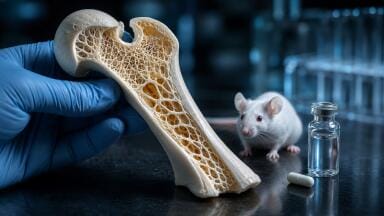
Meanwhile, the use of genetic modification to alter animal or even human DNA offers an infinite amount of opportunities to better our daily lives. For example, genetic modification in mice has yielded encouraging signs for the potential ability to battle obesity in humans. This has been achieved by ascertaining which part of the brain controls hunger signals, and effectively “shutting it off” at will. For more information on such exciting breakthroughs, check out the article: Lasers Create On/Off Switch for Eating with Mice.
However, while genetic modification might be full of opportunities, it is also riddled with risks. Quite apart from health and safety concerns, there is the danger that such a practice will be abused. One such instance could be the abuse of GM to gain a physical advantage in the world of sports. Indeed, the article, Gene-Doping New Threat to the Integrity of Competitive Sport, predicted such concerns as far back as two years ago and speculates it is only a matter of time before such an innovative and unusual method of cheating becomes a problem.
Lab Asia 33.4 - August 2026

.jpg)

 Product directory













,-photo-Karin-Allander.jpg)





,-photo-Karin-Allander.jpg)