News
A new report from the Royal Society of Chemistry highlights the importance of linking chemistry education more closely to real-world and local contexts, as students call for more relevant teaching on sustainability and climate change.
According to research included in the report, just half of young people say they are taught sustainability topics in chemistry through contexts they find relevant.
The RSC’s Green shoots 3 report argues that chemistry has a central role in addressing sustainability challenges, with demand for green skills in chemistry-related roles around eight times higher than across the wider UK workforce.
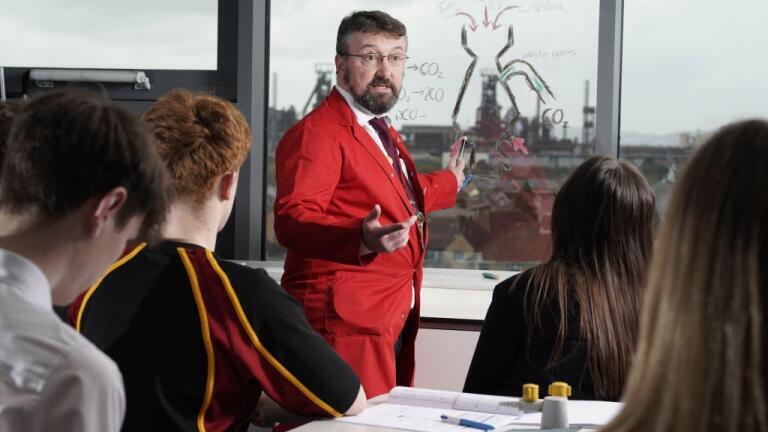
The report also highlights examples of teachers already integrating real-world context into lessons, including a Port Talbot school where students are taught about carbon emissions using the nearby retired steelworks as a local case study.
The RSC is calling for sustainability and climate change content to be more consistently embedded within national chemistry curricula and assessments, alongside greater emphasis on environmental context in exam design.
It argues this would help strengthen engagement and better prepare students for careers in science and industry linked to sustainability.
Annette Farrell, Royal Society of Chemistry Education Policy Programme Manager, said: “Chemistry is at the heart of everything from green technologies to pollution prevention and the design of recyclable and reusable materials.”
More information online
ILM 51.6 Sept 2026



 Product directory


.jpg)
.jpg)