News
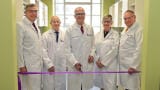
Aston University has joined forces with Birmingham Royal Orthopaedic Hospital and Brazil’s Aeronautics Institute of Technology (ITA) to advance biomaterials that could transform bone cancer treatment.
The partners have formalised their long-running collaboration by creating a new research group, BioTROCS (ITA Biomedical Technologies for Regenerative Orthopaedics). Their first funded project will focus on developing an injectable paste designed to kill cancer cells and help regenerate diseased bone during surgery. The funding will also support a 12-month PhD placement for a Brazilian researcher at Aston University.
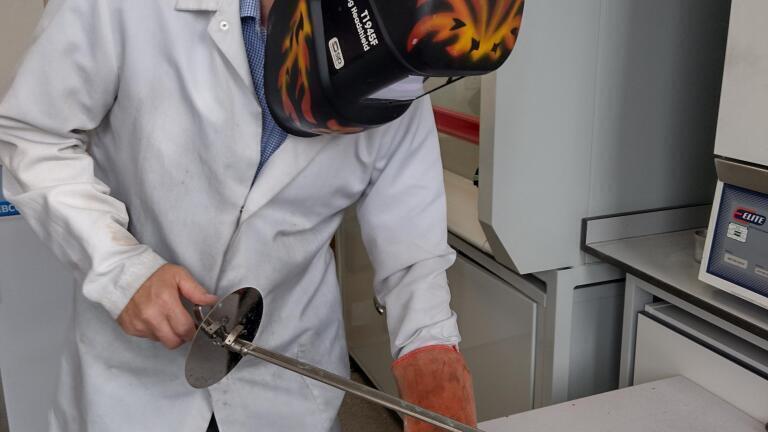
The group will work across biomaterial development, characterisation and clinical evaluation, combining expertise from physics, chemistry, biology and orthopaedic medicine. Aston and the Royal Orthopaedic Hospital have explored the use of gallium-doped bioactive glasses, which early tests show can eliminate up to 99% of cancerous cells while supporting bone repair.
Professor Richard Martin from Aston University said the formal research alliance will accelerate progress in developing minimally invasive biomaterials for bone tumours: “This area of research has huge potential, and welcoming an international PhD researcher will help us drive it forward.”
Dr Lucas Souza, who manages the Dubrowsky Regenerative Medicine Laboratory at the Royal Orthopaedic Hospital, added that the partnership strengthens a multidisciplinary effort that has already delivered promising advances in tackling critical bone defects and tumours.
Professor Joao Lopes from the Aeronautics Institute of Brazil, said the formation of BioTROCS will boost international funding opportunities and support a more dynamic innovation environment for regenerative orthopaedics.
Recent funding awards supporting the collaboration include:
More information online
ILM 51.6 Sept 2026




 Product directory