News
Published over 7 years ago. See the latest and most current information on News.
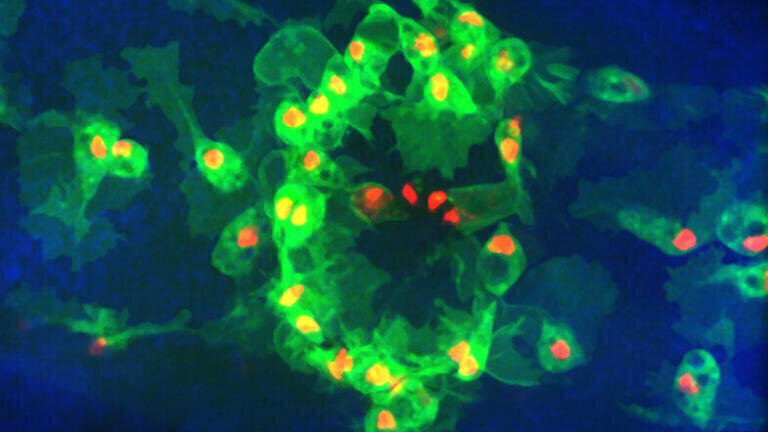
In a study led by the University of Sheffield, scientists have found that cells which are programmed to die, (apoptosis), can also disrupt the normal function of immune cells, or macrophages, needed at wound or infection sites to aid healing processes. These white blood cells can also cause and worsen many human diseases, including cancer, heart disease and neurodegenerative disorders.
The findings,* which have shown that macrophages prioritise the clearance of dead cells, thus overriding their normal migration to sites of injury, could provide insights into mechanisms controlling the white cells in our body, such as how they get to and are kept at sites of injuries.
Dr Iwan Evans, from the Department of Infection, Immunity and Cardiovascular Disease at the University of Sheffield and co-author of the paper, said: “Billions of cells die within our bodies on a daily basis and many of these are removed and digested by our immune cells. If this removal process goes wrong it can lead to damaging autoimmune conditions. Excessive or inappropriate immune responses worsen or cause a very broad range of human diseases from cancer to neurodegeneration. This work studies fundamental biological processes that are going on inside our bodies every day that are necessary to keep us healthy.”
The research to investigate the interactions between dying cells and immune cells was conducted using fruit flies which contain macrophage-like cells highly similar to our own immune cells. The new study also uncovered a novel role for a protein called Six-Microns-Under (or Simu) in keeping immune cells at sites of injury. Without this protein the macrophages left wound sites precociously.
Hannah Roddie, fellow co-author of the study and Research Associate at the Department of Infection, Immunity and Cardiovascular Disease at the University of Sheffield, said: “The study shows that the way fruit fly blood cells respond to injuries and dying cells is even more similar to how our own immune cells respond than previously thought. We are now looking into what signals macrophages use to track down dying cells and how they choose between the dead cells and wounds. We’re fascinated to understand how immune cells are kept at the sites of injuries.”
*published in the journal PLOS Biology
ILM 51.6 Sept 2026



 Product directory
























.jpg)