
News
Published over 6 years ago. See the latest and most current information on News.
The University of Southampton, London-based biotech Touchlight Genetics and Cancer Research UK have formed a clinical research partnership to progress a therapeutic DNA vaccine, TGL-100, into an early phase clinical trial targeting head and neck squamous cell carcinoma (HNSCC).
HNSCC is the UK’s eighth most common cancer, but treatment options are limited; the newly designed DNA vaccine combines potent cancer antigens with Touchlight Genetics’ novel DNA vector – Doggybone DNA™ (dbDNA). Unlike plasmid DNA vectors, dbDNA is a double-stranded, linear, covalently closed molecule, which is an optimal vector for advanced therapies.
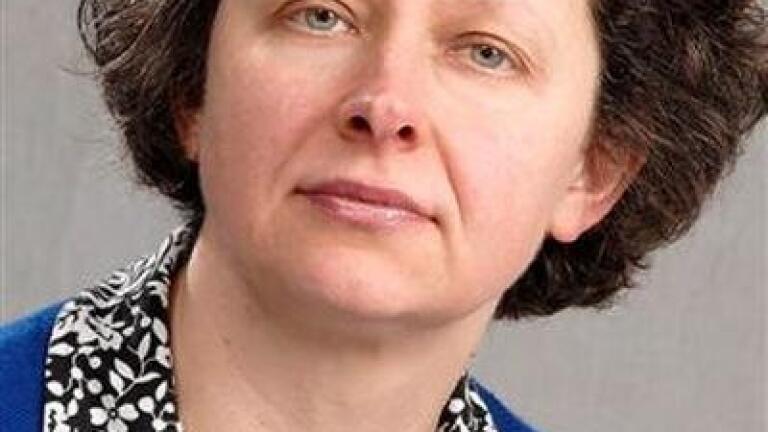
TGL-100 encodes two antigens overexpressed in HNSCC to induce an antigen-specific anti-tumour immune response in the body. This preclinical development was led by Dr Natalia Savelyeva at the Centre for Cancer Immunology at the University of Southampton in partnership with Dr Kue Peng Lim at Cancer Research Malaysia, and the clinical trial will be led by Professor Christian Ottensmeier.
Jonny Ohlson, CEO of Touchlight Genetics said: “TGL-100 emerged from a collaboration with the brilliant Christian Ottensmeier and his talented team at the University of Southampton. Partnering with Cancer Research UK will provide the regulatory know-how, clinical expertise and operational capability to help translate this potentially transformative class of personalised therapies into patient benefit.”
Under the terms of the agreement, Cancer Research UK’s Centre for Drug Development will sponsor and manage the Phase I/II trial to test TGL-100 in HNSCC patients with recurrent metastatic disease.
Professor Christian Ottensmeier, Chief Clinical Investigator at the University of Southampton, said: “We hope this new DNA cancer vaccine will wake up immune cells already present at the tumour site and train new T cells to travel to the cancer tissue so they can fight the cancer.
“We expect that this trial will deliver fundamental insights into how we can use cancer vaccines in the most optimal way so we can boost survival for people with head and neck cancer.”
for more information visit www.southampton.ac.uk
ILM 51.6 Sept 2026



 Product directory


.jpg)
.jpg)


















.jpg)
