Laboratory products
The goal of precision medicine is simple: treat the patient in front of you, not just align to what works for the average patient. For years, genomics seemed to offer the clearest path to that goal. When the Human Genome Project (HGP) generated the first sequence of the human genome in 2003, the scientific community believed it had uncovered the key to understanding disease. The hope was that if we could map a patient’s DNA, it could reveal inherited disease risk, predict drug response and guide therapeutic decisions.
Since then, however, scientists have learned that the genome does not fully capture the complexities of human biology. In fact, a recent study from Johns Hopkins University illustrates the importance of getting a full picture. Researchers found that some inherited traits in mice were passed through epigenetic changes, rather than genetics, including markers appearing in offspring that were entirely absent in either parent. The team also identified what appears to be the first naturally occurring paramutation in a mammal that indicates how environmental exposures may propagate across generations.
This study is a reminder of something scientists have been wrestling with for years – biology is shaped by more than an inherited sequence. While the genome outlines biological potential, it only offers a static picture. Proteins are dynamic, changing in response to aging, stress, diet, environment, disease and treatment. A deep understanding of the proteome is clinically essential and offers a more dynamic look at human biology.
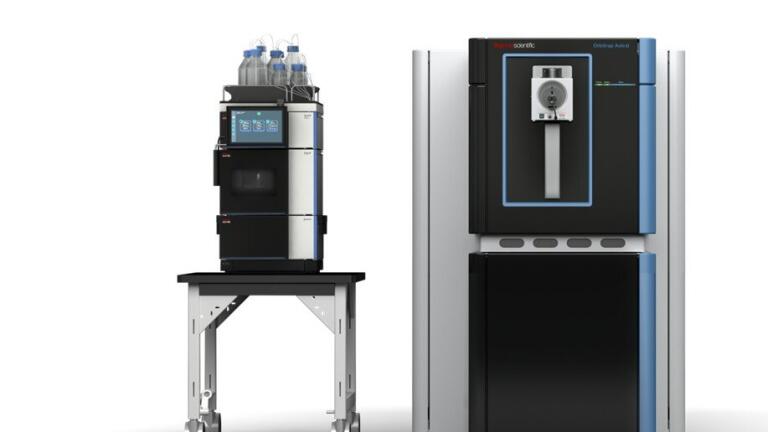
For years, proteomics lagged the study of genomics because the technology simply wasn’t able to keep pace. However, advances in instrumentation have enabled scientists to rethink what’s possible in proteomics. Innovation has made way for the truly consequential work: closing the gap between proteomic discovery and clinical practice to make precision medicine a measurable reality.
Early proteomics research was largely an exploratory, single-lab practice and deep proteome coverage meant weeks of instrument time, laborious sample preparation and outputs that were difficult to scale. The combination of low throughput and resource intensive workflows prohibited teams from exploring proteins of interest. In order to move the field forward, scientists needed tools to measure thousands of proteins – simultaneously – with the sensitivity to detect low-abundance disease signals in something as complex as plasma.
Recent technological advances, such as next-generation mass spectrometry, have markedly increased sensitivity, proteome depth and reproducibility of analysis, improved sample preparation workflows and compressed analysis timelines. Research has moved quickly beyond just identifying and quantifying proteins to characterising their spatial organisation and understanding modification states (proteoforms) and functional behavior. Each of these capabilities changes what questions researchers can realistically ask – and answer. It’s a new era for proteomics where throughput, depth and sensitivity are enabling first-of-their-kind studies of biological impact across disease states and for directing therapeutic development.
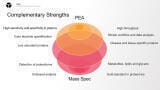
Today, population-scale proteomics is also becoming more feasible. Novel methods that combine mass spectrometry and proximity extension assay (PEA) technology can support high profile studies, such as the UK Biobank Pharma Proteomics Project, with hundreds of thousands of samples. When scientists can measure thousands of proteins across patient cohorts of that size, the statistical power to identify disease-associated signals and to stratify patients with granularity shifts from aspirational to achievable.
There are few disease areas that illustrate the clinical impact of proteomics more sharply than Alzheimer’s disease. This neurodegenerative disease often resists therapeutic intervention largely because, by the time symptoms appear, visible disease markers such as plaques and neurofilament tangles have been accumulating for years or even decades. The aim of precision medicine in this context is to get therapies to patients in need before irreversible neurodegeneration occurs.
With advanced mass spectrometry, scientists around the world are focused on using proteomics to open a path toward personalised treatment approaches or a combination of novel therapies for Alzheimer’s disease. At the State University of New York at Buffalo, researchers used mass spectrometry to generate the first high-resolution, whole-brain spatial proteomics map of the disease, which can help track how proteins change across different regions of the brain. At the Alzheimer Center in Amsterdam, a research team used mass spectrometry proteomics in cerebrospinal fluid to define subtypes that are associated with specific Alzheimer’s disease risk variants. Both of these findings, among others, matter enormously for drug development.
Many clinical trial failures have looked at Alzheimer’s disease as if it were homogeneous or investigated targets that were never active in the right brain regions. A proteomics-defined framework offers the possibility of trial designs that match interventions to the molecular profile of the disease in each patient.
That is precision medicine operating at the level the disease requires.
Biomarker discovery is equally significant for Alzheimer’s disease. For example, amyloid-beta and phosphorylated tau (p-tau) have served as the primary diagnostic markers for Alzheimer’s for years, but they tend to appear after the disease has progressed. Studies made possible by advanced mass spectrometry point toward biomarkers that are tied to specific disease mechanisms and may be detectable earlier in the course of the disease.
However, the impact of biomarker discovery extends beyond any single disease. In fact, biomarkers are foundational to precision medicine at scale. By linking large-scale proteomic data to longitudinal clinical records, researchers can better understand disease mechanisms, uncover potential therapeutic targets and enhance clinical decision-making. This combination is the basis of moving from association to mechanistic understanding.
Advanced technology alone will not translate proteomics into clinical impact. The scientific community, alongside regulators, health systems and industry, must work through infrastructure and governance challenges that remain unsolved.
Data integration is a scientific priority. The biological reality is that the proteome is coupled with gene expression, metabolite concentrations, epigenetic state and the cellular microenvironment. Multi-omics frameworks that help connect these layers are essential for interpreting proteomic signals in their full biological context. There’s an urgent need for the computational infrastructure to manage, harmonise and analyse data at the scale this research requires.
Biobanking infrastructure is also critical. The value of longitudinal proteomics depends on access to well-characterised, well-annotated biological samples collected over time. Establishing biobanks requires coordination across clinical sites, standardised collection protocols and long-term funding commitments. Governments are beginning to invest in building these repositories, from Precision Health Research Singapore (PRECISE) to FinnGen in Finland, but there’s still room to grow.
Finally, regulatory pathways need greater clarity. Moving a proteomics-based diagnostic from research context into clinical use requires engagement with regulatory bodies at a stage early enough to shape study design and validation strategy, rather than as a retrospective compliance exercise.
There is productive dialogue happening in this space, but it needs to accelerate.
The proteome offers a real-time look at human health and disease, and the tools to read these signals now exist with depth, throughput and speed.
The question before us is whether we will put in place the infrastructure, the investment and the cross-disciplinary coordination to use them at the scale precision medicine requires.
The science is ready. It’s time for the broader systems and infrastructure to catch up.
ILM 51.6 Sept 2026



 Product directory


.jpg)
.jpg)









.jpg)


.jpg)




.jpg)
