Chromatography
Published over 7 years ago. See the latest and most current information on Chromatography.
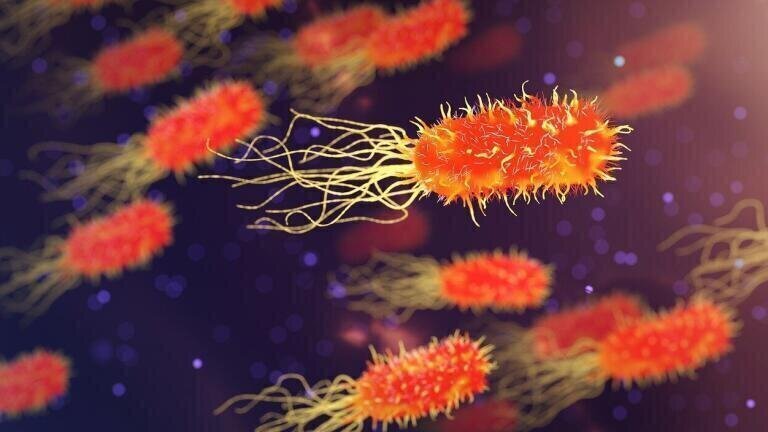
New evidence from Israel's Weizmann Institute suggests gut microbes play a major role in the development of neurological diseases such as Parkinson's, as well as conditions like motor neurone disease (MND). The new findings support evidence that's been building over the past decade and open exciting new treatment options.
Also known as amyotrophic lateral sclerosis (ALS), motor neurone disease occurs when specialised nerve cells in the brain and spinal cord malfunction. The condition worsens over time and is usually fatal, with death often caused by respiratory failure. It currently affects around 5000 British adults, with the Motor Neurone Disease Association stating a person's risk of developing MND is around one in 300.
The team was led by Professor Eran Elinav, principal immunology researcher at the Weizmann Institute. He prescribed broad-spectrum antibiotics to mice with a similar genetic condition to MND and saw the disease develop faster than mice in the control group. He also noted that after completing antibiotics courses, the mice raised in sterile environments had no opportunity to restock their healthy gut bacteria, which resulted in most of the group dying relatively quickly.
The findings were published in the journal Nature and revolutionise the way scientists view the gut-brain connection. They suggest that instead of triggering or accelerating neurological diseases, the gut ecosystem, also known as the microbiome, could act as an important defensive shield. Elinav muses that when key beneficial strains are absent it could significantly increase the risk of developing MND and other neurological diseases.
Elinav built on the findings by comparing the microbiomes of healthy mice with those of mice afflicted by early MND. The team pinpointed 11 gut microbe strains with notable differences and tested the defensive role of each by transplanting strains from healthy mice to those diagnosed with MND and treated with antibiotics. The team observed that after receiving akkermansia muciniphila, a strain of human intestinal mucin-degrading bacterium, mice lived longer and enjoyed a slower onset of MND. Elinav cites nicotinamide, a form of vitamin B3, as the most likely cause of the benefits.
While Elinav admits the research is "preliminary and observational" and not backed by human data, the findings mark an important step towards accelerating MND research and developing treatment options.
Want to stay up-to-the-minute on the latest scientific breakthroughs? Introducing new technology from Paraytec Limited, 'Lab-On-Capillary: A Versatile Format For Nanolitre Scale Chemistry And Biochemistry' evaluates how the revolutionary miniature capillary UV imaging detector (ActiPix® D100) supports rapid and cost effective evaluation of biocatalytic activity and characterisation of biochemical samples.
ILM 51.6 Sept 2026



 Product directory


.jpg)
.jpg)

















.jpg)
