Columns
Published over 13 years ago. See the latest and most current information on Columns.
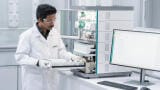
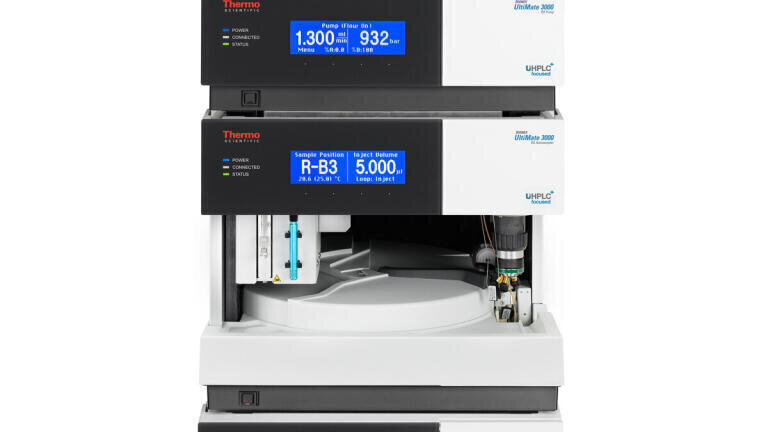
Thermo Fisher Scientific is pleased to introduce the Thermo Scientific™ Dionex™ UltiMate™ 3000 Biocompatible Rapid Separation (BioRS) system, designed to bring highly flexible UHPLC separation capabilities to a wide range of biopharmaceutical research and QA/QC analyses.
The UltiMate 3000 BioRS system has an extensive selection of modules that supports high resolution separations for R&D and also high throughput analyses for QA/QC on the same platform, at pressures up to 15,000 psi. Options include wide selections of pumps, detection techniques, fraction collectors, and autosamplers. The platform is designed for easy method transfer between different stages of pharmaceutical product development and production.
Thermo Fisher Scientific offers dedicated bio UHPLC consumables that help the UltiMate 3000 BioRS system perform quickly and well in a variety of modes, including those requiring harsh solvents. These include gold standard Thermo Scientific™ ProPac WCX protein columns for QA/QC, UHPLC ion-exchange columns, and a wide range of mixed mode and HILIC columns.
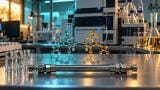
Biocompatible capillaries with the Thermo Scientific™ Dionex™ Viper™ Fingertight fitting system are designed for rugged, virtually dead-volume-free connections.
ILM 51.6 Sept 2026





 Product directory