Company news
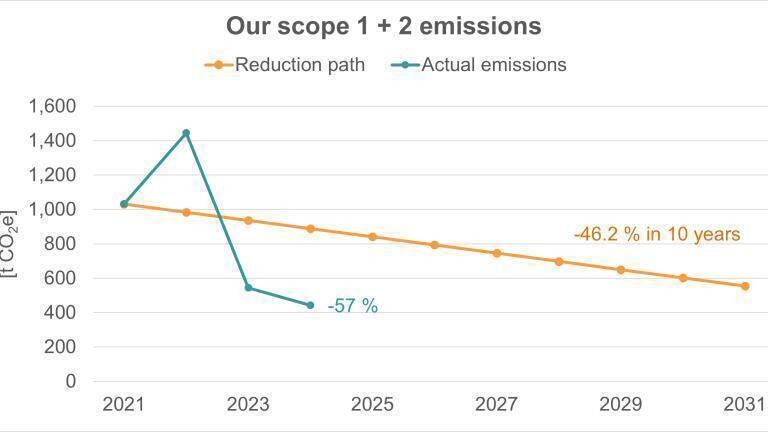
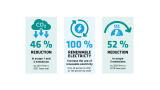
Integra Biosciences has made significant progress in reducing its environmental footprint, far surpassing its initial carbon-reduction targets. As a participant in the Science Based Targets initiative (SBTi) - which provides independent validation of corporate climate commitments - the company has already cut scope 1 (direct) and scope 2 (energy-related) emissions by 57%. This milestone, achieved well ahead of schedule, places Integra firmly on track to meet all of its ambitious sustainability objectives.
The company’s emissions reduction targets were officially approved by the SBTi in 2023, and progress is assessed annually by the myclimate foundation. The 2024 report highlights that Integra reached in just three years a level of reduction it had originally aimed to achieve by 2031. In addition, it is making strong headway on its scope 3 target, covering indirect supply chain emissions, which were down by 28% at the close of 2024.
Despite these achievements, Integra is not slowing down. Current hotspots for emissions - particularly raw materials and transport - are being addressed with a range of new initiatives. These measures will ensure continued progress toward greener operations, supporting the wider scientific community’s transition to more sustainable practices.
More information online
ILM 51.6 Sept 2026



 Product directory




















.jpg)
