Company news
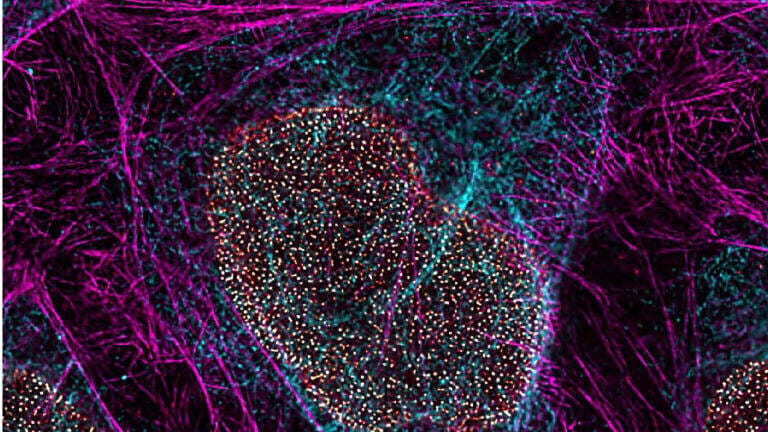
Leica Microsystems, renowned for its cutting-edge microscopy and imaging technologies, has announced the acquisition of ATTO-TEC, a key player in the development of specialty fluorescent dyes and reagents. This acquisition strengthens Leica's ability to offer a complete microscopy imaging workflow, further supporting researchers in a range of scientific fields.
The integration of ATTO-TEC’s high-performance dyes and reagents with Leica's advanced microscopy platforms, AI-based analysis tools, and imaging solutions is expected to streamline research processes and boost the accuracy of results. This acquisition is particularly timely, as researchers increasingly focus on complex, high-plex 3D experiments in areas such as cancer research.
Dr Annette Rinck, President of Leica Microsystems, highlighted the strategic value of this acquisition: “By bringing ATTO-TEC’s expertise into our portfolio, we can now support every aspect of the microscopy imaging workflow. This integrated approach will deliver more reliable outcomes and accelerate discoveries that can contribute to advancing medical therapies.”
ATTO-TEC is widely recognised for its high-quality products, including their signature fluorescent dyes like ATTO 488 and ATTO 647N, which have become standards in fluorescence microscopy. Known for their exceptional brightness and photostability, these dyes are critical for applications that demand precision and clarity. The company’s suite of products also includes antibody labelling kits and phospholipids, which will continue to be offered through ATTO-TEC's online platform and existing distribution channels.
Dr.Jörg Reichwein, CEO of ATTO-TEC, expressed enthusiasm about the merger, stating, "Joining Leica Microsystems allows us to integrate our expertise with their industry-leading imaging technologies. Together, we can develop even more specialised assays, kits, and dyes, optimised for every stage of the imaging workflow.”
This acquisition marks a significant step forward in Leica Microsystems’ mission to enable breakthrough research, enhance scientific discovery, and contribute to improving human health through advanced imaging technologies.
More information online
ILM 51.6 Sept 2026





 Product directory
























.jpg)