DNA / RNA
Published over 16 years ago. See the latest and most current information on DNA / RNA.
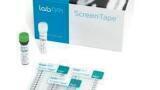
Lab901 has announced the availability of a new technical note titled ‘Rapid identification of contaminating gDNA in total RNA samples using ScreenTape® R6K.’ The technical note can be downloaded from http://www.lab901.net/images/pdfs/lmm-043-a.pdf. The highly reproducible run profiles of Lab901’s ScreenTape R6K platform allow the easy recognition of total RNA samples that have been contaminated with gDNA (genomic DNA). This practical feature, which is unique to the ScreenTape R6K system, identifies total RNA samples that require further purification, avoiding spurious or inaccurate results in your downstream applications, such as microarrays, sequencing or RT-qPCR.
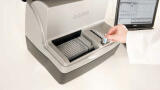
The Lab901 ScreenTape system is a fully automated cost-efficient solution for gel electrophoresis that delivers analysed results in 1 minute per sample. ScreenTape loads, separates, images and analyses samples automatically, ensuring that more time can be devoted to actual research. ScreenTape R6K has also been used to establish a new standard for RNA QC – the ScreenTape Degradation Value (SDV), which has been shown to have a number of advantages over the RIN number.1
For more information visit the website at www.lab901.com
ILM 51.6 Sept 2026




 Product directory