DNA / RNA
Messenger RNA therapy restores sperm production, enabling healthy offspring in a mouse model of genetic male infertility
Researchers in Japan have demonstrated that targeted delivery of messenger RNA (mRNA) has restored sperm production and fertility in genetically infertile male mice, a development that could inform future treatment strategies for certain forms of male infertility.
Infertility affects up to 10 per cent of couples worldwide, according to estimates from the World Health Organization. Male factors account for roughly half of cases, and in many instances the underlying cause is a genetic defect that disrupts spermatogenesis – the complex biological process through which sperm cells form and mature within the testes.
To address this challenge, Professor Takashi Shinohara of Kyoto University and colleagues have developed a method to introduce mRNA directly into the testes of mice. mRNA is a short-lived molecule that carries the genetic instructions required to synthesise a specific protein.
Unlike DNA-based gene therapy, which alters the genome, mRNA acts transiently within cells and then degrades. The team selected this approach in order to avoid permanent genetic modification of testicular cells or any other tissue in the body.
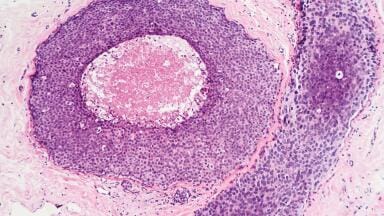
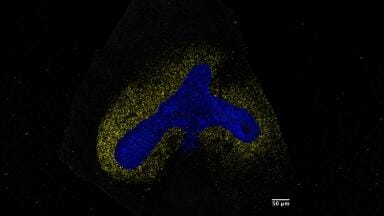
The researchers first established that injected mRNA reached the relevant cell populations. These included germ cells, which give rise to sperm, and Sertoli cells, which provide structural and metabolic support within the seminiferous tubules of the testis. Sertoli cells play an essential role in the regulation of spermatogenesis. Defects in their function can halt sperm production entirely.
The team then applied the method to male mice that carried a defined genetic defect in Sertoli cells. This mutation blocked spermatogenesis and rendered the animals infertile. Comparable genetic alterations have been implicated in certain human cases of infertility and in testicular disorders.
The delivered mRNA remained active for approximately two days. That brief window proved sufficient to restore spermatogenesis in the treated animals. Sperm retrieved from these mice were subsequently used for in vitro fertilisation, a laboratory technique in which sperm fertilise oocytes outside the body. When the resulting embryos were transferred, the procedure led to the birth of healthy offspring. The pups showed no overt abnormalities indicating that the transient treatment did not compromise developmental viability.
This study has demonstrated proof of concept that mRNA delivery can correct a specific genetic defect that underlies male infertility in a mammalian model. The strategy relies on transient expression rather than permanent genome alteration which may confer greater safety in a clinical context. At the same time, translation to human treatment remains speculative. Further work in additional animal models must establish long-term safety, reproducibility and efficacy before moving to clinical trials.
The findings align with broader interest in therapeutic mRNA technologies which have already achieved clinical validation in the field of infectious disease. Their application to reproductive medicine represents a distinct and technically demanding frontier. Male infertility often lacks effective targeted therapies when the root cause is genetic. A strategy that restores function without irreversible modification could, in principle, expand the therapeutic landscape.
For further reading please visit: 10.1016/j.stemcr.2026.102829
ILM 51.6 Sept 2026



 Product directory


.jpg)