.jpg)
Laboratory products
Published over 4 years ago. See the latest and most current information on Laboratory products.
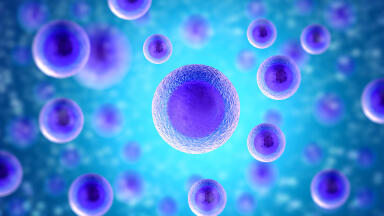
Cultured meat, also known as synthetic, artificial or in-vitro meat, is created by harvesting animal cells that are then placed in a bioreactor and fed with nutrients to help tissue growth. The driving force behind this rapidly expanding area of food technology is that the production of cultured meat requires far fewer animals to be farmed, so that a shift to cultured meat would reduce the production of greenhouse gases by livestock, as well as mitigating disease outbreaks (which can cross the species barrier to infect humans), and the welfare issues caused by industrialised farming and slaughter of animals.
However, there are challenges to scaling production of cultured meat to commercial levels. These include reducing the cost of cell media and growth factors, developing the best cell lines to create high quality cultured animal tissue as well as creating suitable extracellular matrices (ECM) for individual cell lines to enable efficient cell culture growth. In addition, there is the need to have bioreactors designed for industrial scale cultivation of different animal cells and edible scaffolding materials to enable large scale production of structured cultured meat products.
A new range of kits, media and reagents to assist in the development of cultured meat products is available from biotechnology specialist, AMSBIO.
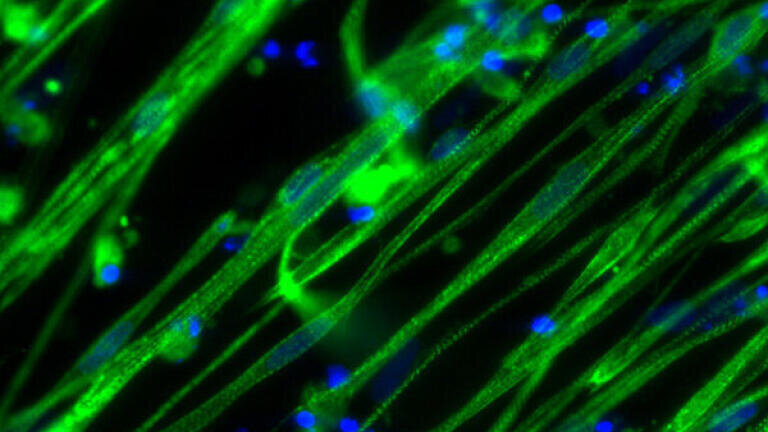
These products for cultured meat research fall broadly into 3 areas. Firstly, to create the correct environment and stimuli for cultured cells. Secondly, standards and kits to test if these cells are behaving like the in vivo model and thirdly, cryopreservation media to archive cells for reference or future use. AMSBIO's growing range of high-quality products for pioneering cultured meat research includes skeletal muscle differentiation kits, recombinant extracellular matrices and cryopreservation media. Additionally, over the last 20 years, the company has established a vast biorepository containing animal DNA, RNA and tissue to act as positive controls, along with ELISA kits for quantification of meat proteins, such as collagen.
More information online
ILM 51.6 Sept 2026



 Product directory


.jpg)










.jpg)