Laboratory products
Published over 8 years ago. See the latest and most current information on Laboratory products.
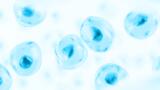
Amsbio announces the launch of a new range of induced pluripotent stem cell (iPSC) derived neural stem cells (NSCs) and neural lineage progenitors.
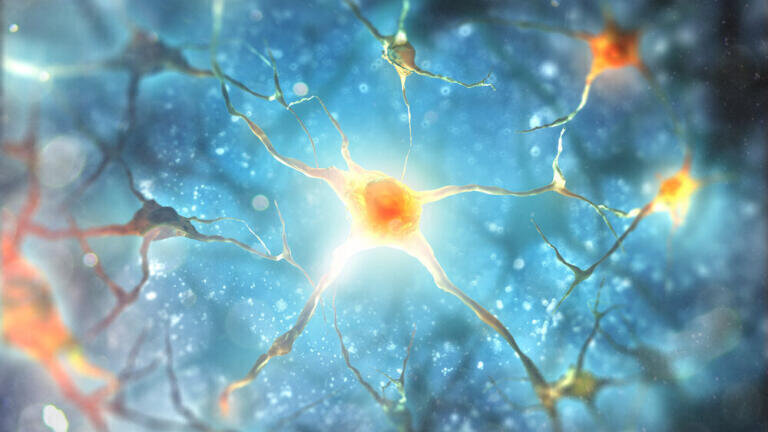
For several years, neuroscience research using cell line and animal models of degenerative neurological disorders such as Parkinson’s and Alzheimer’s disease has been challenged to translate results into in vivo conditions, whether for basic understanding of disease pathology or for the screening of targeted drug therapies. The development of iPSC technology and its further differentiation into various lineages, especially neuronal lineage cells and dopaminergic neurons, has overcome a major bottleneck by providing biologically relevant in vitro models to screen drugs for neuroprotection and movement-disorder therapy.
Amsbio now offers isogenic panels of neuronal derivatives from these iPSCs, including neural stem cells, dopaminergic neurons, astrocytes and mixed neurons, allowing comparative neuroscience studies, and drug and toxicity screening.
These cell lines from multiple donors have been derived using integration-free, proprietary neural induction protocols, and are fully characterised for markers and normal karyotype. Validated for generating CRISPR-Cas9-engineered iPSC-lines for disease modelling these cells offer for flexibility in choosing the lineage most appropriate for research studies.
ILM 51.6 Sept 2026




 Product directory