Laboratory products
Published over 16 years ago. See the latest and most current information on Laboratory products.
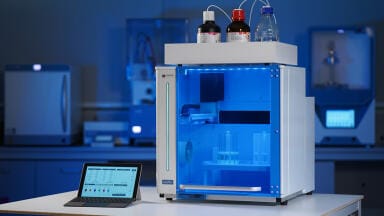
Applied Biosystems has announced the global commercial availability of a new capillary electrophoresis (CE) sequencing system. The 3500 Series Genetic Analyser builds on Applied Biosystems’ industry-leading CE sequencing systems, with state-of-the-art advancements, setting significant new standards for throughput, data quality and ease of use. The 3500 Series Genetic Analyser is for research use only not intended for therapeutic or diagnostic use. Since May 2009, more than 10 research institutions have been participating in an early evaluation of the technology with primary interest in studying the most widely recognised human genetic disorders, such as those caused by extra or missing chromosomes, as well as a broad spectrum of other diseases. The 3500 Series enables researchers to run up to 1,100 sequencing or 1,200 genotyping samples per day. It features novel consumable designs that incorporate the ability to track key information with radio frequency identification (RFID) tags, new optical and thermal systems designs, and redesigned data collection and analysis software, which enables easy generation of cost-effective analyses and high-quality data.
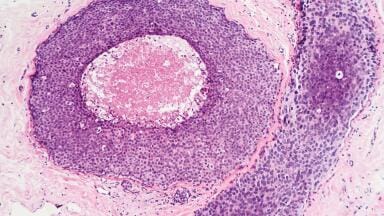
Many institutions perform studies in areas such as viral/microbial typing, tissue pathology studies, cancer and other disease research, employing DNA sequencing and fragment analysis applications using CE technology. One such example, the Diagnostic Molecular Pathology Laboratory at Massachusetts General Hospital, is currently using the 3500 system in its research studies. Dr John Iafrate leads the clinical service laboratory at the hospital, which conducts specialised molecular DNA oncology research. Dr Iafrate recently purchased a 3500 Genetic Analyser. Dr Iafrate and his team are using Applied Biosystems CE technology in a variety of pre-clinical studies to investigate potential correlations between genetic mutations and the formation of disease, including cancer. The range of research tests using CE technology include microsatellite instability analyses, sequencing, and higher-throughput genotyping of various cancer tissues to aid cancer research.
ILM 51.6 Sept 2026



 Product directory