Laboratory products
Published over 12 years ago. See the latest and most current information on Laboratory products.
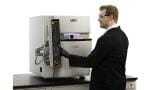
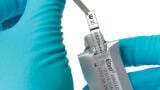
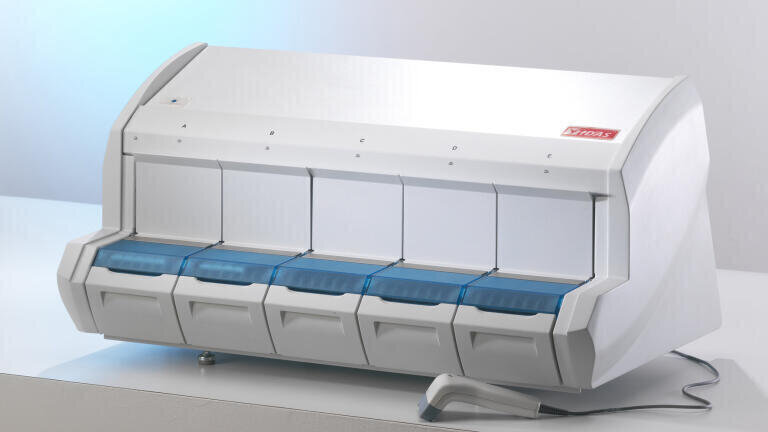
bioMérieux, a world leader in the field of in vitro diagnostics, has launched VIDAS® C. difficile GDH, an innovative, qualitative assay for the automated detection of GDH, offering clinical laboratories a fully automated, accurate, standardised and cost-effective solution for C. difficile diagnosis and infection control. The CE marked VIDAS C. difficile GDH is the 100th assay for use on the VIDAS automated immunoassay platforms – VIDAS, mini VIDAS and VIDAS 3 – and is the only automated immunoassay cleared by the US Food and Drug administration.
C. difficile infections are a major concern for both health professionals and hospitalised patients, and are a leading cause of healthcare-associated infections. VIDAS C. difficile GDH is a useful aid in the diagnosis and treatment of C. difficile infections, complementing existing C. difficile assays to enable both GDH and toxin detection. The launch of VIDAS C. difficile GDH complements bioMérieux’s existing C. difficile offering, giving customers access to a complete solution from identification to epidemiology, including: chromID® C. difficile culture media and VIDAS C. difficile Toxin A&B assay for the detection of C. difficile Toxins A and B, Etest® for antibiotic susceptibility testing, and DiversiLab®, an epidemiological tool for strain typing.
ILM 51.6 Sept 2026




 Product directory