Laboratory products
Published over 6 years ago. See the latest and most current information on Laboratory products.
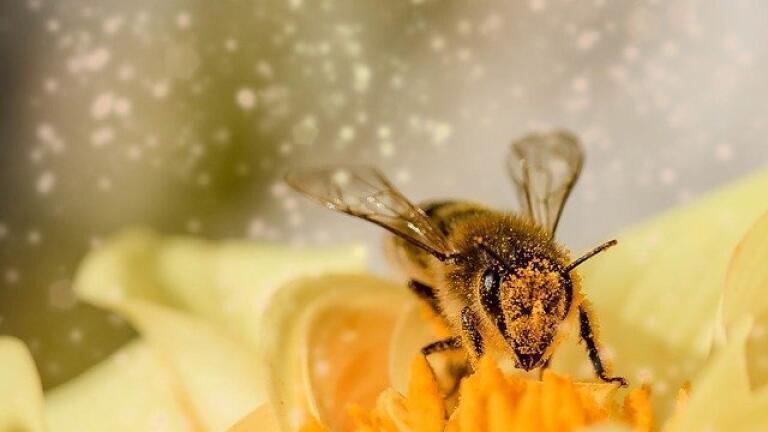
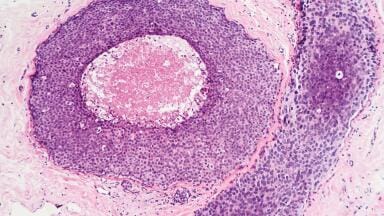
In a breakthrough for breast cancer research, a team of Australian scientists has discovered anti-cancer properties in the venom of honeybees. Enriched with a compound called melittin, the venom actively destroys aggressive breast cancer cells. The team trialled the venom against triple-negative and HER2-enriched cancer types, both notoriously difficult to treat.
“Honeybee venom and melittin suppress the activation of EGFR and HER2 by interfering with the phosphorylation of these receptors in the plasma membrane of breast carcinoma cells,” reads the abstract.
While the team assert more laboratory testing is needed, the discovery has been labelled “exciting” and could help save the lives of the two million women who are diagnosed with breast cancer each year. Currently, breast cancer is the most common cancer in women worldwide.
“It's very early days," says Alex Swarbrick, an Associate Professor at the Garvan Institute of Medical Research in Sydney and Petre Foundation Chair of Breast Cancer Research. “Many compounds can kill a breast cancer cell in a dish or in a mouse. But there's a long way to go from those discoveries to something that can change clinical practice.”
The study was spearheaded by the Harry Perkins Institute of Medical Research in Western Australia, with the findings published in the peer-reviewed journal Nature Precision Oncology. The team tested venom extracted from more than 300 honeybees and bumblebees, with PhD researcher Ciara Duffy saying some were “extremely potent” and had promising anti-cancer properties. One particular concentration successfully killed cancer cells within one hour, with Duffy and her team saying the findings could have enormous potential.
"Significantly, this study demonstrates how melittin interferes with signalling pathways within breast cancer cells to reduce cell replication," commented Professor Peter Klinken, Chief Scientists of Western Australia. “It provides another wonderful example of where compounds in nature can be used to treat human diseases.”
As well as naturally occurring in honeybee venom, melittin can also be manufactured synthetically. The team say the use of venom could revolutionise treatments for aggressive breast cancer types such as triple-negative which are usually treated with surgery, chemotherapy and radiotherapy.
Want to know more about the latest scientific breakthroughs from Australia and around the world. Solving Freeze Drying Bottlenecks For Diagnostics and Vaccines Production In The ‘New Normal’ offers insight into the race to find a COVID-19 vaccine, with commentary from Tim Lewis on behalf of Biopharma Group.
ILM 51.6 Sept 2026



 Product directory


.jpg)
.jpg)










.jpg)
.jpg)
.jpg)










.jpg)
