Laboratory products
Published over 14 years ago. See the latest and most current information on Laboratory products.
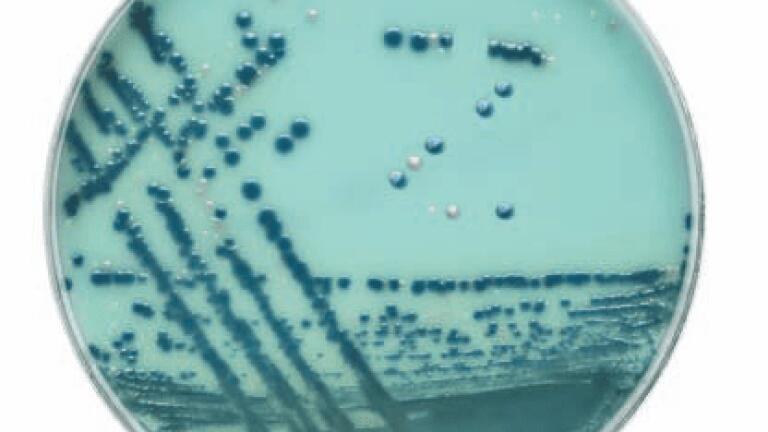
Thermo Fisher Scientific recently launched Oxoid Brilliance™ CRE Agar, a medium for faster and easier detection of carbapenem-resistant Enterobacteriaceae (CRE). It is recognised that the only way to stop the spread of infections by resistant bacteria, such as CRE, is to rapidly identify and isolate any hospital patients who are infected with the resistant strain. Laboratories can use Brilliance CRE Agar to screen patient samples for CRE and provide
clinicians with results in just 18-24 hours. This faster time to result accelerates the start of infection control measures, including accurate antibiotic prescription, for better patient outcomes.
Brilliance CRE Agar is easier to use and read than the Hodge test traditionally used to detect resistance to carbapenems. Brilliance CRE Agar contains a modified carbapenem, at levels recommended by both the CLSI and EUCAST, ensuring reliable detection of numerous CRE strains, including those with the NDM-1 mechanism of resistance. Chromogenic compounds in the medium differentiate between resistant E. coli (pink colonies) and Klebsiella, Enterobacter, Serratia or Citrobacter (KESC) organisms (blue colonies). The colonies of other resistant organisms appear white and are easy to spot against the novel pigmented agar.
ILM 51.6 Sept 2026





 Product directory