Mass spectrometry & spectroscopy
Published over 4 years ago. See the latest and most current information on Mass spectrometry & spectroscopy.
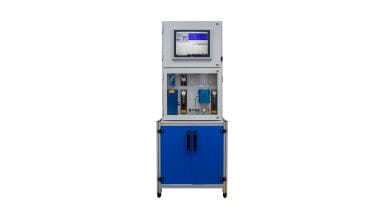
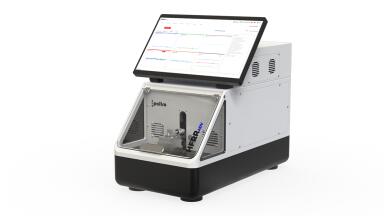
Time domain NMR (TD-NMR) is an established method in the petroleum industry for the direct measurement of hydrogen content in fuels for which there are ASTM D7171, D4808 and D3701 methods.
However, TD-NMR also excels in the replacement of wet chemical methods. The wax content of petroleum products is traditionally measured using the UOP 46 method which is laborious and uses harmful chemicals and sub-zero temperatures in order precipitate out the waxes. Furthermore, the method is notoriously difficult leading to inevitable operator errors and cannot be used below 5% wax content. TD-NMR offers a method which is easier to prepare samples, faster to measure and gives more reproducible results.
TD-NMR can also be used to measure the oil content in speciality waxes which are used for a variety of applications. Oil content is traditionally measured using the ASTM D721 (IP 158) and D3235 depending on the concentration. Similarly, TD-NMR is simpler, faster and more reproducible than the wet chemical methods leading to greater control over production.
To read about petroleum and other applications in chemical manufacturing, visit our website.
ILM 51.6 Sept 2026





 Product directory