Mass spectrometry & spectroscopy
Published over 5 years ago. See the latest and most current information on Mass spectrometry & spectroscopy.
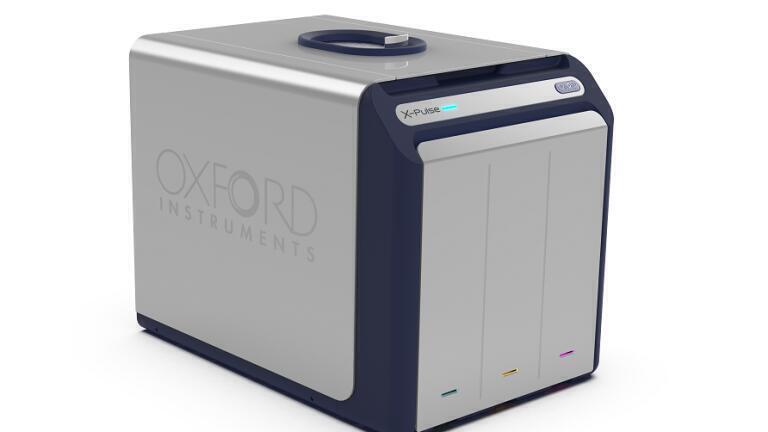
In this new article Oxford Instruments highlight how benchtop NMR spectroscopy is an ideal technique for quality control (QC) of raw materials, for in-line process monitoring and end product quality assurance (QA). A common application for benchtop NMR is fast screening of samples to confirm molecular structure after a chemical synthesis. Benchtop NMR spectroscopy provides a QA tool, to check the quality and identity of incoming raw materials. This technique can additionally check large numbers of samples quickly to see whether the expected peaks are present in the spectrum, only passing the samples on to high-field systems for more detailed analysis when necessary. This saves a considerable amount of time for the chemists doing the syntheses and makes sure that the expensive high-field instruments are used in the most efficient way. In this article, using the X-Pulse broadband benchtop NMR spectrometer, the company highlights case study examples of QA screening from chemical suppliers to the plastics and construction, fluoropolymers and lithium battery industries.
To read the full article, visit the website.
More information online
ILM 51.6 Sept 2026





 Product directory