The
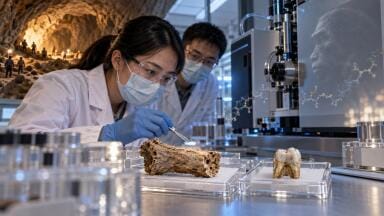
latest microscopy headlines to come from Royal Holloway, University of London, reveal surprising information about the chemical composition of fossils.
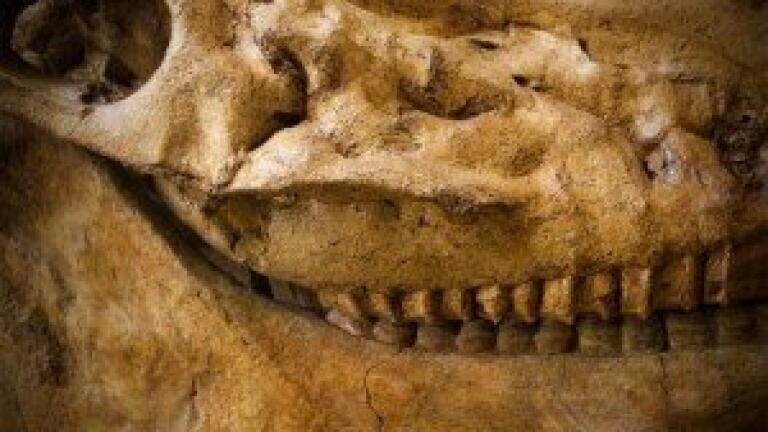
Scientists working at the academic institution have discovered fossils of arthropods from the Palaeozoic period contain abundances of chitin-protein complexes.
These are structural materials which consist of both protein and polysaccharide and would have been present in the exoskeletons of ancient arthropods.
However, conventional wisdom until now was that the compounds can be broken down easily by micro-organisms, meaning they should not be commonly found in fossils.
Professor Andrew C Scott of the college's Department of Earth Science says: "This research will aid our understanding of the fossilisation process."
He adds that the
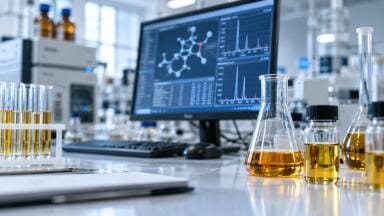
latest microscopy techniques allow such samples to be studied in order to identify their chemical structure without destroying them.
Royal Holloway is one of the university's larger colleges, with 8,000 students learning across a curriculum spanning 18 different departments.



 Product directory