Microscopy & microtechniques
Published over 14 years ago. See the latest and most current information on Microscopy & microtechniques.
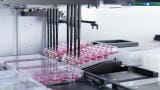
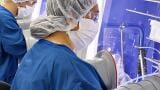
Scientists from the Maastricht University have succeeded in growing meat in a laboratory by extracting stem cells from cows and producing strips of muscle tissue in containers.
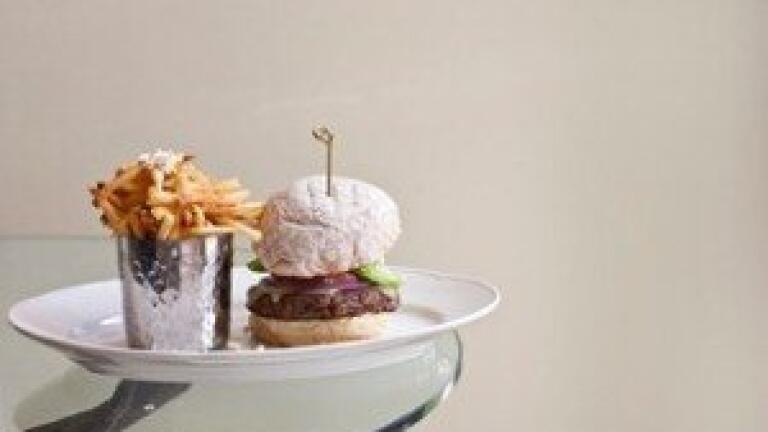
The Frankenburger will become the world’s first test-tube beefburger, and could be ready just in time for the last barbeques of the season in October.
Professor Mark Post has grown small strips of beef muscle tissue using a cow’s stem cells and serum taken from a horse foetus. The tissue is being held together by Velcro and stimulated by electricity, allowing the muscle to become bigger and healthier.
Advocates of vitro meat believe the new technology is a big step towards solving the escalating demand of food and the increasing strain on supply. According to Professor Post, meat demand is set to double in the next 40 years, which surpasses our current agricultural capacity which we already use 70 per cent of.
Professor Post, who is funded by an anonymous but highly-successful benefactor, said: "We are going to provide a proof of concept, showing that out of stem cells you can produce a product that looks like and feels like and hopefully tastes like meat. Seeing and tasting is believing."
Posted by Fiona Griffiths
ILM 51.6 Sept 2026


 Product directory