Microscopy & microtechniques
Published over 11 years ago. See the latest and most current information on Microscopy & microtechniques.
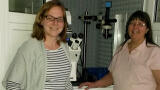
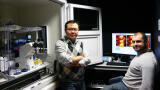
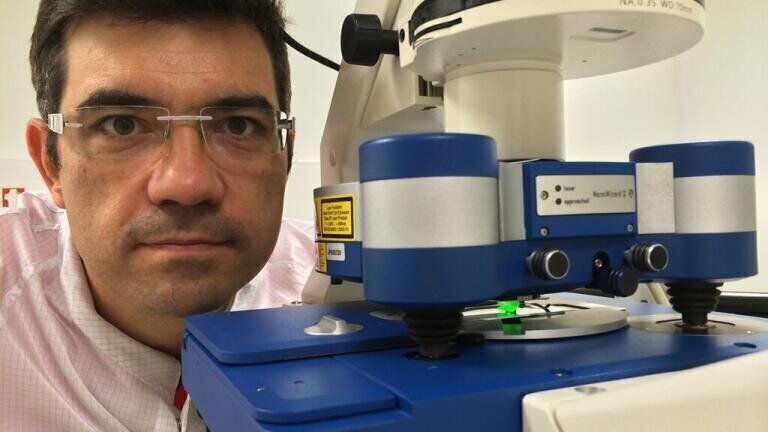
Dr Childérick Severac manages the Bionanotechnologies Platform at ITAV (Institut des Technologies Avancées en science du Vivant) on the site of the new Oncopole campus dedicated to cancer research. His research activities may be divided into two parts: his own research and the research activity he does for others in the form of providing a collaborative imaging service. Dr Severac's research focuses on the development of soft nanolithography techniques and to develop the concept of a new type of label-free biochip for the prognosis of breast cancer.
In these studies, AFM is used as a characterisation tool to accurately help evaluate the size and shape of the nanoscale structures fabricated in the group to check the robustness of the manufacturing technique. In the collaborative research efforts, AFM is being used to probe the mechanical properties of various cells, e.g. cancer cells, to study their invasiveness. It is also used to study cardiomyocytes to understand the role of Ephrin B1 protein in maintaining their mechanical coherence. Corneocytes are being studied with the AFM to understand the impact of pharmaceutical products on the structure of these cells in connection with the treatment of atopic dermatitis (a skin disease). These projects are with co-workers from other research groups where they utilise the AFM skills of Dr Severac and his team.
Commenting on his use of the NanoWizard®, Dr Severac said that prior to using the JPK NanoWizard II, he used TEMs and SEMs as well as some older generation AFM systems. If there is one thing he specifically likes about the JPK machine, it is what he calls the "GOOGLE MAP ZOOM" feature. This enables the user to easily zoom in and out of the 100 µm x 100 µm scan area; then select a region, zoom in and scan at a higher resolution; then zoom out and in to another position with so much ease, it gives the user a sensation of total control and, in particular, helps control the work flow when investigating large cells.
ILM 51.6 Sept 2026


 Product directory