Microscopy & microtechniques
Published over 17 years ago. See the latest and most current information on Microscopy & microtechniques.
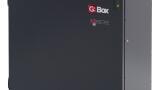
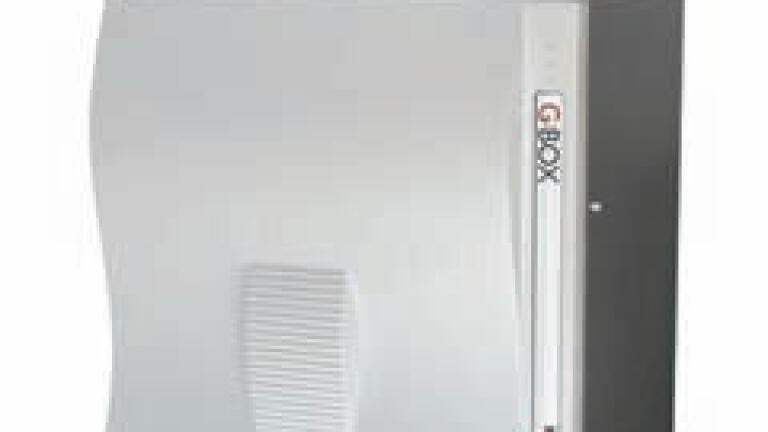
Syngene is proud to announce its G:BOX chemiluminescence imaging system is being used by scientists at one of Scotland’s top Universities, Edinburgh Napier University in Edinburgh to accurately determine the
effectiveness of novel anticancer therapies.
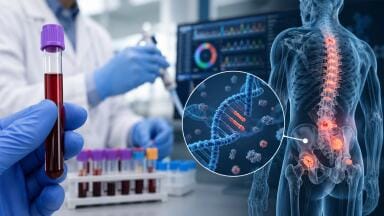
Researchers in the School of Life Sciences at Edinburgh Napier University are using the G:BOX chemiluminescence imaging system to image agarose gels of DNA stained with Ethidium Bromide to determine the effects that new anti-topoisomerase compounds have on topoisomerase action during the cell cycle.
The researchers are also using the system to image gelatin zymograms to discover the effects that compounds have on the modulation of matrix metalloproteinases. The scientists believe their research could help develop novel drugs to treat a variety of cancers.
Dr David Mincher, Reader in Experimental Chemotherapy at Edinburgh Napier, explained: “In recent years, the action of topoisomerases and matrix metalloproteinases have been implicated in many cancers.
Therefore, we are looking at a number of New Chemical Entities and pro-drugs, which target these proteins but to determine the efficacy of these compounds we have to be able to precisely quantify their effects on the expression of DNA or proteins.
Since we need high levels of accuracy and reproducibility in our results we installed a G:BOX imaging system just over a year ago to work alongside our other Syngene image analyser and the new system has been absolutely invaluable for this project.”
Laura Sullivan, Syngene’s Divisional Manager, added: “We are delighted Edinburgh Napier University has chosen to install another Syngene system and to see how much the G:BOX system is contributing to this
exciting research.
The work at Edinburgh Napier is an excellent endorsement of the system’s ability to rapidly produce and analyse images of applications as diverse as 1D gels, zymograms and autoradiograms and means G:BOX chemiluminescence imaging systems can be confidently used in many drug discovery programmes where accurately quantifying DNA and protein amounts is critical.”
ILM 51.6 Sept 2026





 Product directory