News
Published over 13 years ago. See the latest and most current information on News.
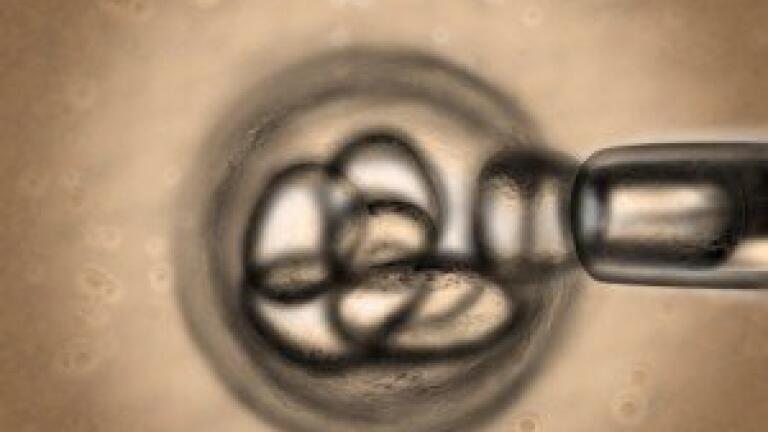
Cartilage has been successfully created from induced pluripotent stem cells that were grown and sorted for repairing tissue and studies into osteoarthritis and cartilage injury.
The evidence suggests that induced pluripotent stem cells (iPSCs), might be a feasible source of patient-specific articular cartilage tissue, according to a study conducted by a team of Duke University Medical Center researchers based in Durham, USA.
The study is reported in the journal, Proceedings of the National Academy of Sciences, yesterday (October 29th).
Farshid Guilak, Laszlo Ormandy Professor of Orthopaedic Surgery at Duke and senior author of the study explained that the technique of producing induced pluripotent stem cells is a way of taking the adult stem cells and adapting them so they have the properties of embryonic stem cells.
The technique Mr Guilak described was honored at this year's Nobel Prize in medicine to Kyoto University's Shimya Yamanaka.
Various issues surrounding other stem cells have limited progress of this type. For example, adult stem cells are limited in what they can do and embryonic stem cells have ethical problems, stated the researcher.
This latest research shows that in a mouse model, the ability to generate an limitless supply of stem cells that can morph into any type of tissue, in this case, cartilage.
Articular cartilage absorbs the shock from movement, such as walking, jumping, running, etc. that is performed daily without pain to the person.
However without the shock absorber tissue, ordinary wear-and-tear or an injury can reduce its efficacy and develop towards osteoarthritis.
The articular cartilage cannot repair damage easily and leads to osteoarthritis, which is a major cause of immobility and impairment in older people and often needs joint replacement.
"In addition to cell-based therapies, iPSC technology can also provide patient-specific cell and tissue models that could be used to screen for drugs to treat osteoarthritis, which right now does not have a cure or an effective therapy to inhibit cartilage loss," said the scientist.
Mr Guilak said the next phase of the research will be to utilise human iPSCs to assess the cartilage-growing method.
Posted by Ben Evans
ILM 51.6 Sept 2026




 Product directory
















.jpg)
,-photo-Karin-Allander.jpg)