Mass spectrometry & spectroscopy
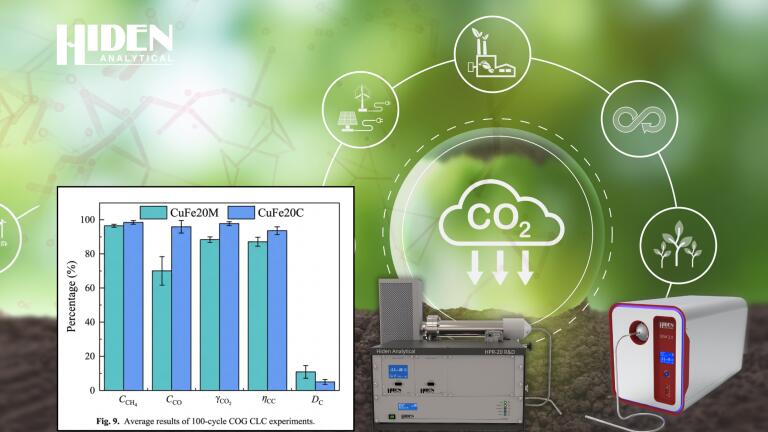
Hiden Analytical is highlighting the role of real-time gas analysis and mass spectrometry in advancing carbon capture research, supporting the monitoring, optimisation and validation of CO₂ capture processes from laboratory studies through to pilot-scale and industrial deployment, including recent carbon capture studies and application testing programmes.
As carbon capture gains momentum across research, policy and industrial decarbonisation programmes, high-resolution analytical data is becoming increasingly important. Understanding not only how much CO₂ is captured, but how processes behave dynamically, is essential for improving efficiency, stability and scalability.
Carbon capture technologies are designed to prevent carbon dioxide emissions from reaching the atmosphere by capturing CO₂ at source for storage, utilisation or further processing. However, effective development requires detailed insight into process behaviour, including gas composition, material performance, regeneration dynamics and potential by-products.
Real-time gas analysis, often combined with mass spectrometry (MS), enables this insight by tracking changes in gas composition during adsorption, desorption, regeneration, reaction testing and long-term cycling. This allows researchers to observe processes as they happen, rather than relying solely on post-process measurements.
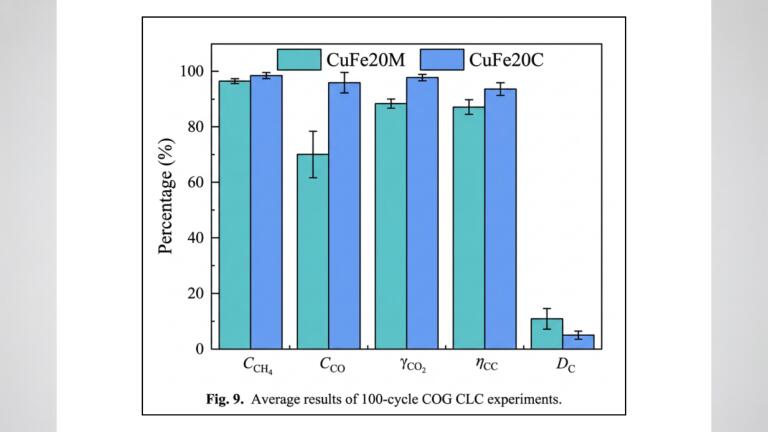
Typical applications include CO₂ adsorption and desorption studies, sorbent regeneration analysis, breakthrough curve monitoring, evolved gas analysis, thermogravimetric analysis–mass spectrometry (TGA-MS), chemical looping research and simulated flue gas experiments.
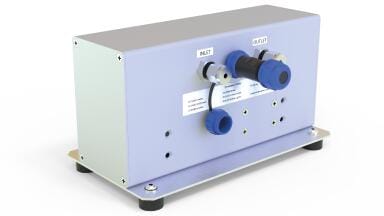
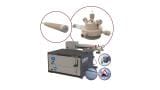
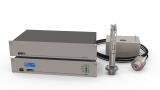
Hiden Analytical’s mass spectrometry-based gas analysis systems are designed to deliver sensitive, rapid and precise measurement of key species involved in carbon capture and related processes. These include CO₂, O₂, H₂O, NH₃, CO, CH₄ and other relevant gases and vapours.
By providing real-time insight into gas behaviour, the systems support researchers and engineers in assessing sorbent efficiency, improving process design and refining experimental conditions, helping accelerate development and support more informed decision-making.
David Lundie, Technical Director at Hiden Analytical, said:
“Real-time mass spectrometry is essential for understanding the fast, complex dynamics of carbon capture processes. It allows researchers to track rapid changes in gas composition and material behaviour under real operating conditions, improving process optimisation and scale-up decisions.”
More information online
ILM 51.6 Sept 2026



 Product directory















.jpg)
