Mass spectrometry & spectroscopy
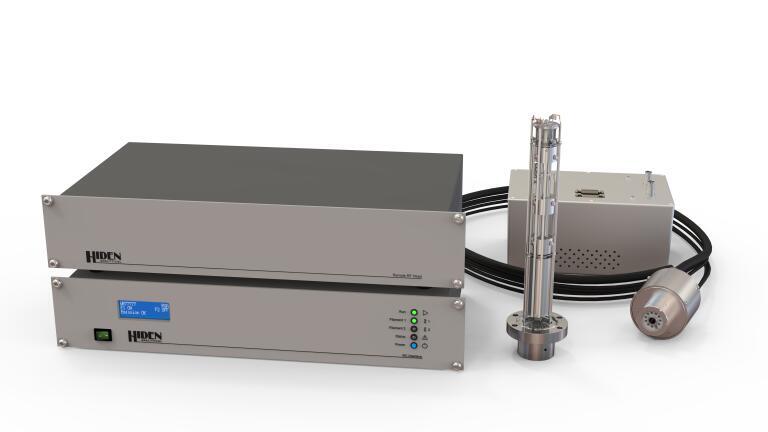
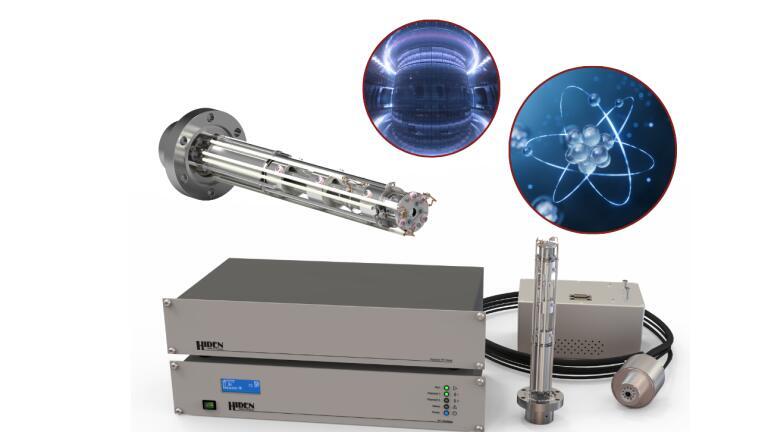
Hiden Analytical is highlighting its DLS-2 and DLS-2X systems as advanced tools for nuclear fusion gas analysis, offering high-resolution measurement and quantitative residual gas analysis for demanding research environments.
Designed for fusion fuel studies, vacuum diagnostics and leak detection, the instruments combine dual-zone mass spectrometry with flexible operation, allowing researchers to switch between high-resolution and standard residual gas analysis modes within a single experiment. This capability supports both routine diagnostics and the separation of closely spaced species that are typically difficult to resolve.
At the core of the system is a software-controlled dual-zone configuration that enables transitions between high-resolution and standard modes without interrupting data acquisition. This allows precise differentiation of species such as hydrogen isotopes and helium within deuterium-rich mixtures, while maintaining reliable quantitative performance for broader vacuum analysis.
For fusion applications, this combination improves the ability to characterise fuel composition and monitor complex gas environments in real time. The DLS-2X variant extends this capability further by supporting remote analyser operation, making it suitable for harsh or physically constrained experimental setups.
The platform offers high-resolution mass separation down to sub-0.01 amu levels, alongside standard residual gas analysis up to higher mass ranges. This balance between sensitivity and range enables both detailed isotope work and broader system diagnostics within a single instrument architecture.
By integrating high-resolution separation with quantitative stability, the DLS series is designed to move gas analysis beyond simple detection towards more precise interpretation of complex mixtures — a capability increasingly important in fusion energy research and advanced vacuum science.
More information is available through Hiden Analytical’s technical resources and application notes on dual-zone mass spectrometry.
More information online
ILM 51.6 Sept 2026



 Product directory






















.jpg)
