News
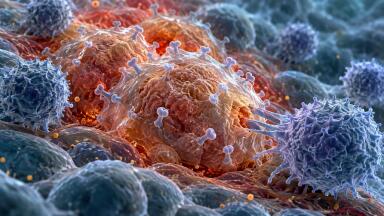
CAR-T cell therapy has reshaped treatment for some blood cancers, but its success has not translated into solid tumours, where safety challenges, poor tumour penetration and the complexity of the tumour microenvironment continue to limit progress.
A new UK spinout believes a different biological control strategy could help shift that balance.
Korecyte Bio, based on research from King’s College London and supported by investment from the Cell and Gene Therapy Catapult, is developing a tumour-activated CAR-T platform designed to remain inactive in healthy tissue and switch on only under the low-oxygen conditions found inside solid tumours.
This approach, known as HypoxiCAR, aims to reduce the risk of off-target toxicity while maintaining anti-tumour activity - a central challenge that has repeatedly stalled CAR-T expansion beyond haematological cancers.
The broader field has seen increasing interest in “next-generation” CAR-T engineering strategies, including switchable receptors, microenvironment-sensing systems and multi-targeted constructs. Yet despite rapid innovation, solid tumours remain one of the most difficult targets in cell therapy.
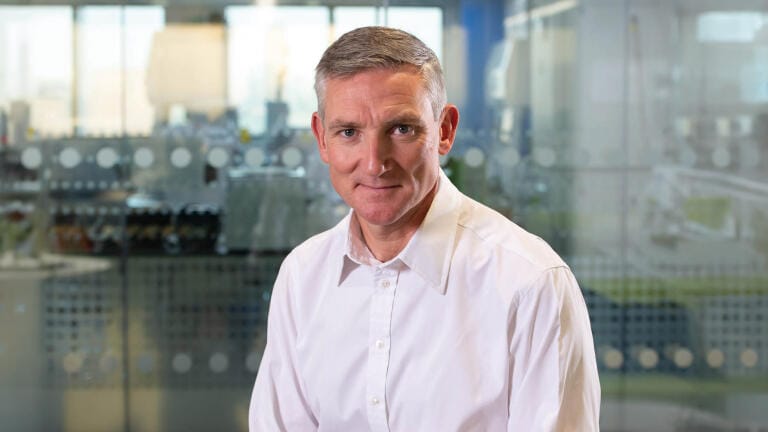
In this context, Matthew Durdy, Chief Executive of the CGT Catapult, noted that while CAR-T has “transformed outcomes for some blood cancers”, solid tumours “have remained largely beyond their reach”, underscoring the need for new engineering approaches.
The investment will support Korecyte Bio’s continued development of HypoxiCAR and its progression towards clinical readiness, building on academic work within King’s College London’s School of Cancer & Pharmaceutical Sciences.
More information online
ILM 51.6 Sept 2026



 Product directory























.jpg)
