News
Duchenne Parent Project Spain has launched the BEAT Project to develop a three-dimensional heart-on-a-chip model that could help researchers to study cardiac fibrosis and assess potential treatments for Duchenne and Becker muscular dystrophies
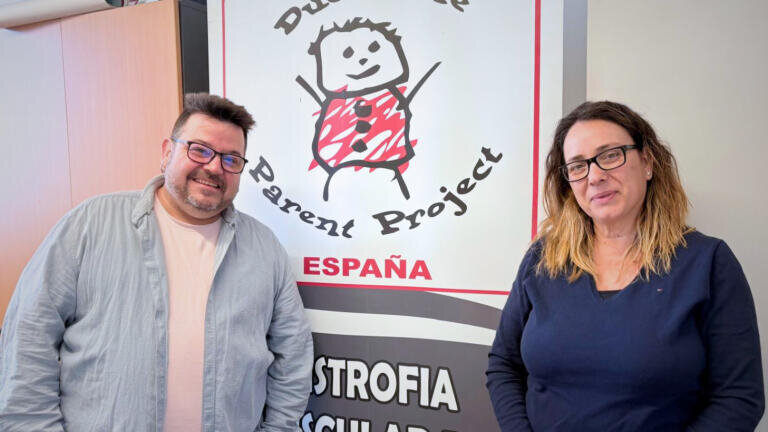
Duchenne Parent Project Spain (DPPS) has launched the BEAT Project, a research initiative focused on the progressive heart damage that is seen in the rare inherited muscle-wasting conditions of Duchenne muscular dystrophy (DMD) and Becker muscular dystrophy (BMD). Cardiomyopathy is the leading cause of death among patients with DMD, and the project will aim to improve scientific understanding of how cardiac damage develops in these conditions.
DMD is a genetic, degenerative and currently incurable condition that affects approximately one in every 5,000 children, with around 20,000 cases diagnosed each year, worldwide.
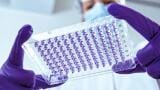
The BEAT Project has received €247,000 to research DMD from DPPS and will support the development of a ‘heart-on-a-chip’ platform. The system is intended to reproduce diseased human heart tissue in the laboratory, monitor fibrosis in real time and assess potential drug candidates. By using a laboratory model that more closely reflects human cardiac disease, the researchers also aim to reduce the number of animals required in preclinical research.
BEAT will be led by Dr Juan Manuel Fernández, a senior researcher in the Biosensors for Bioengineering group and principal investigator of the project from the Institute for Bioengineering of Catalonia. The work will also involve collaborators from the DPPS Patient Registry, the University of Jaén, Sant Joan de Déu Barcelona Children’s Hospital both in Spain and Newcastle University in the UK.
“We will study cardiac pathology in mice and patients to build a 3D cardiac model that mimics the human disease. The heart-on-a-chip platform includes sensors that track damage and fibrosis in real time, helping us to identify and test promising treatments. This platform could also be used to study other heart diseases [and] accelerate drug discovery,” Dr Fernández explained.
“This breakthrough will save vital time … enabling us to reproduce human heart tissue affected by the disease in a laboratory setting, monitor fibrosis (scar tissue) in real time and test drug candidates,” Dr Marisol Montolio, director of the research department at DPPS, explained.
DMD and BMD are caused by mutations that affect dystrophin, a protein essential for muscle stability and function. Although the diseases are often associated principally with skeletal muscle weakness, dystrophin deficiency also affects cardiac muscle. In the heart, the lack or malfunction of dystrophin can promote fibrosis, a process in which healthy tissue is progressively replaced by scar tissue. This weakens heart function, contributes to cell death and increases the risk of cardiomyopathy.
For DPPS, the initiative reflects an attempt to place patient and family priorities at the centre of biomedical research. Cardiac involvement remains one of the main concerns as DMD and BMD progress which has made the development of improved experimental tools a priority for the charity and the patient community it represents.
“BEAT is the pulse of our fight. It means heartbeat but it also means to defeat. And that’s exactly what we’re going to do with the cardiomyopathy associated with Duchenne and Becker muscular dystrophies,” Silvia Ávila, President of DPPS, said.
The project will also include an advisory committee involving families, with the aim to ensure that the research remains aligned with the priorities of people affected by both DMD and BMD. DPPS said the initiative has strengthened its commitment to biomedical innovation and to improved access to potential therapeutic options, with the long-term aim to improve quality of life for patients and families.
ILM 51.6 Sept 2026



 Product directory






















.jpg)
