News
Published over 6 years ago. See the latest and most current information on News.
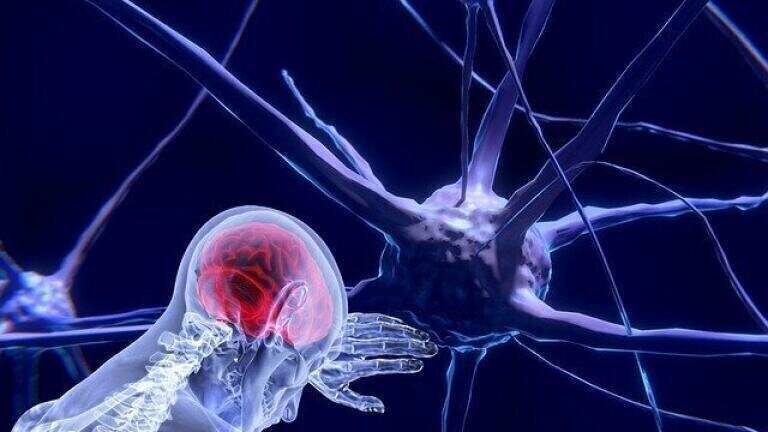
Over the past decade the pace of neuroscience innovation has continued to accelerate, with scientists harnessing advanced technologies and collaborative Open Science frameworks to pioneer new breakthroughs. Want to look back on the past 10 years? Here are some of the most significant neuroscience discoveries of the 2010s.
2010 saw Argentinian neuroscientist and professor Fernando Nottebohm honoured with the Benjamin Franklin Medal in Life Sciences for proving that neurogenesis does occur in the adult vertebrate brain. The discovery was a serious breakthrough for neuroscience, with member sof the Benjamin Franklin Medal committee praising Nottebohm for "generating a completely new approach to the quest for cures for brain injury and degenerative disease."
In 2012 American scientist Van Wedeen pioneered an award-winning study that revealed the intricate wiring patterns of the human brain. It was one of the first studies to portray the organ as a complex yet systematic grid, as opposed to a disorderly tangle.
In 2014 the FIFA World Cup made more than just sports headlines when Brazilian physician Miguel Nicolelis developed a robotic suit that allowed a quadriplegic teen to kick-off the opening game of the tournament. Nicolelis was later inaugurated as a member of the prestigious Pontifical Academy of Sciences.
Researchers from the University of Manchester kicked off 2016 with a major finding that linked the development of Alzheimer’s disease to a specific type of virus, as well as two strains of bacteria. The study helped support evidence that the neurodegenerative disease is partly caused by a dormant microbial component, possible triggered by iron dysregulation.
2018 marked a major milestone for neurotechnology, with an open-access study published in PLOS One introducing a brain implant system that allows patients paralysed by neurodegenerative disorders to send emails, communicate with others and shop online using brain waves connected to an off-the-shelf Android tablet.
Just weeks before the end of 2019, scientists at the University of North Carolina Health Care discovered a key neural circuit that actively regulates alcohol consumption in animals. The findings were published in the Journal of Neuroscience and offered new insight into the role brain cells play in influencing reward-induced behaviours such as alcohol consumption.
Want to know more about the latest neuroscience breakthroughs? Backed by five years of research, Dementias Platform UK is working to transform the dementia research landscape and accelerate the development of diagnosis and treatments, with some of the most significant advances explored in 'Changing Dementia Horizons: DPUK Progress Outlined.
ILM 51.6 Sept 2026




 Product directory