News
Published over 11 years ago. See the latest and most current information on News.
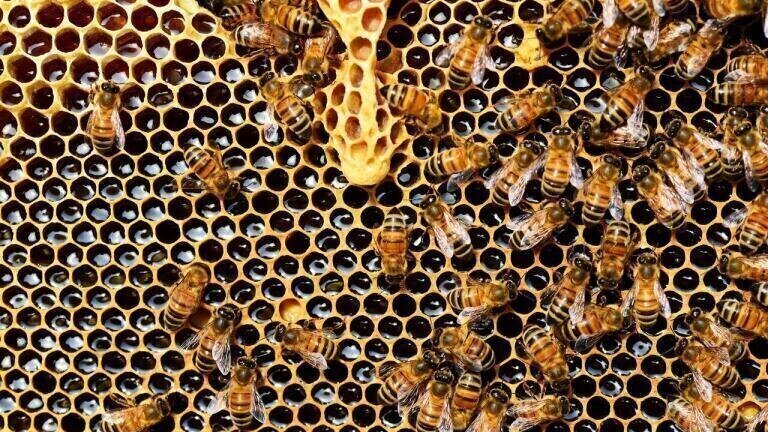
The bee population of the UK and the world at large is in steady decline. According to Greenpeace, over the last few winters the population has been decimated by up to 53% in Europe. While the bees themselves may seem like not much more than a loud and inconvenient annoyance to you, their flagging population spells trouble for our ecosystem.
75% of all crops grown for human and animal consumption would be adversely affected in the absence of bees, and roughly one third would have their productivity severely reduced. In fact, without the vital cross-pollination that bees and their ilk contribute to the world, we would have to spend a small fortune to maintain the same level of productivity. If nothing was done to compensate for the loss of the bees’ pollination abilities, the global economy would face losing over £200 billion, a staggering amount by any standards.
Quite apart from our own agricultural purposes, bee pollination also affects more than 90% of all wild plant life, which in turn affects an incredibly wide array of animals, as well of course. Therefore, it should be abundantly clear that we need to start paying attention to our diminutive furry friends and root out the cause of the problem.
The factors affecting bees’ habits and habitats are manifold – some of them are natural, such as disease and parasites. However, the major influences on their decline are unfortunately man-made.
On the one hand, climate change disrupts their daily patterns and leads to harsher climates in which they are unable to survive. Whilst this is a monumental problem and it may be hard to know where to begin to improve conditions, there is another area which sorely affects the prosperity of bees and which is much easier to modify – pesticides.
A new four year scientific analysis has uncovered some alarming data about the pesticides that have been widely used in our ecosystem for years. The treatment in question is the use of neonicotinoids, which differ from traditional pesticides in that they are not sprayed directly onto the foliage. Rather, they are sucked up the plant’s vascular system, which causes them to pervade all parts of the plant.
Neonicotinoids have become the insecticide of choice over the last few decades. Indeed, in 2011 their global sales amounted to more than £1.65 billion, accounting for over 40% of all treatment methods. The fact that their use has been so heavy and widespread, and that the harmful effects on bees and other pollinators is only now coming to light, is indeed a cause for concern. Concern over the use of neonicotinoids and of the equally harmful fipronil has been steadily growing over the last 20 years, but only now are we seeing clear and conclusive scientific evidence of their dangers.
Fortunately, people are starting to wake up and smell the insecticide. There have been increased calls for governmental and regulatory bodies to place more stringent controls on these harmful chemicals, and research into possible alternatives is ongoing.
One possible alternative is the use of pathogenic fungi in place of chemicals. A team from the University of Swansea in Wales have obtained promising results in their preliminary testing of the fungal alternative on moths. For more information on their research, read this article: Good News for Bees as Fungus Could Be a Viable Pesticide.
Due to the importance of bees to our environment, scientists are trying to find viable alternatives to pesticides which might threaten our favourite pollinators. Bizarrely, the answer to this problem might be the Australian funnel web spider. For more info on this exciting new story, visit: Why Do Bees (and the Environment) Love Spider Venom?
Lab Asia 33.4 - August 2026

.jpg)

 Product directory













,-photo-Karin-Allander.jpg)






,-photo-Karin-Allander.jpg)