
Research news
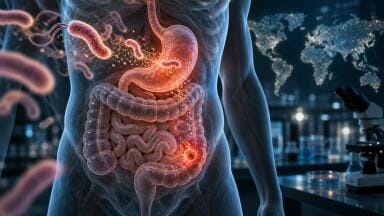
A small clinical trial by researchers in Boston has found that a transplant of gut bacteria from healthy donors can help some adults with severe peanut allergy to tolerate the food
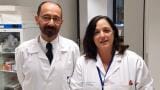
Researchers at Boston Children’s Hospital, USA, have found that faecal microbiota transplantation may increase peanut tolerance in some people with severe peanut allergy, according to the results of a small clinical trial by Dr. Rima Rachid director of the hospital’s Food Allergy Program and Allergen Immunotherapy Program and Dr. Talal Chatila the hospital’s director of translational immunology alongside their colleagues.
“This landmark study was the first to demonstrate that a microbiome-based therapy may improve food allergy in people, while also revealing how gut bacteria, their metabolites, and the immune system work together to influence treatment response,” said Rachid.
“Larger studies of faecal and microbiota transplantation are now essential to confirm these findings, identify the patients most likely to benefit, and discover beneficial bacteria that could be developed into targeted probiotic therapies for food allergy,” she said.
An estimated 33 million people in the USA live with food allergies, a proportion of which react severely enough to be life-threatening. Of the most common trigger foods, peanut and tree nuts are associated with the most severe reactions. Current treatments, such as antibody medication or oral immunotherapy involving small, regular doses of the allergen, can raise a patient’s tolerance but this effect fades soon after the therapy ends. Even when taken exactly as prescribed, such treatments can themselves trigger severe allergic reactions in some patients.
“People with food allergies want freedom from constant anxiety and extreme vigilance and to not have to be on guard for potentially dangerous exposures every time they leave the house,” said Rachid.
“Patients don’t want therapies that have to be taken indefinitely and instead are looking for a permanent disease modification or cure,” she added.
In earlier work, Chatila, Rachid and their colleagues found that, when they transferred stool samples from infants with food allergies into allergy-prone mice, the mice went into anaphylaxis. Mice that received faecal samples from healthy infants were, by contrast, protected from allergic reactions. That study identified a handful of ‘good’ bacterial strains, found in the guts of healthy infants, that appear to protect against allergic reactions.
For the most recent trial, Rachid and her team used frozen capsules – informally termed ‘poop pills’ – to transfer these beneficial bacterial strains from donors with healthy gut microbiomes to ten young adults with severe peanut allergy, all of whom reacted even to trace amounts of the nut. Each participant received a one-off treatment of 36 capsules, taken over a few hours. Four months later, three of the ten participants had achieved a higher tolerance and were able to eat multiple peanuts without a reaction.
In the next phase of the trial, a further five participants took a course of antibiotics before their transplant, intended to clear their own gut bacteria and so leave room for the donor bacteria to establish. Three of these five participants saw an improvement in peanut tolerance and were able to eat more than four peanuts before a reaction occurred, a result that suggests the antibiotic pre-treatment increased the efficiency of the bacterial transfer.
To establish how the transplants reduced food allergy, the investigators analysed blood samples taken from the participants. Those who responded to the therapy had higher levels of bile salts than those who did not respond. Bile salts are produced in the liver, stored in the gallbladder and released into the small intestine, where they help to break down fats so the body can absorb them. The donor bacteria appeared to be more effective at bile salt metabolism than the bacteria naturally present in the allergic participants. Further experiments showed that bile salts reduced the number of immune cells in the gut that promote allergic reactions and increased the number of those that protect against them.
“Food allergy reflects a failure of oral tolerance, the process by which the gut immune system learns to accept food, and what this study shows is that the right bacteria can help restore that process, working through bile acid metabolites to promote the immune cells that enforce tolerance,” said Chatila.
“Knowing how the bacteria restore tolerance to food in allergic individuals allows us to optimise the therapy for more effective outcomes,” she said.
Rachid has since begun to lead a further study, conducted with Dr. Alexander Khoruts of the University of Minnesota, Minneapolis, USA, in which teenagers will receive microbiota transplant therapy. This novel therapy uses a purified, concentrated form of microbes, rather than the capsules used in the earlier trial, and can be stored in a home refrigerator. Patients will take the capsules at home under medical supervision and will then undergo food challenges to establish whether their tolerance to peanut has changed. Rachid also leads a third study, to assess what happens when the novel concentrated formulation is combined with peanut oral immunotherapy.
For further reading please visit: 10.1126/scitranslmed.aee3263
ILM 51.6 Sept 2026



 Product directory












,-photo-Karin-Allander.jpg)



.jpg)
