News
A new industry consortium is tackling one of the biggest hurdles in bringing stem cell therapies to patients: ensuring residual pluripotent stem cells (PSCs) are completely removed from final products.
The Cell and Gene Therapy Catapult (CGT Catapult) has launched ReCell, a 13-partner collaboration that brings together therapy developers, regulators including the MHRA, contract organisations, and academic specialists. The goal: to test whether two droplet digital PCR methods can reliably detect potentially dangerous undifferentiated PSCs across eight different therapy products, spanning neuronal, cardiac, and haematological cell lineages.
Currently, developers must create bespoke safety tests for each therapy — a time-consuming and costly process that can delay patient access. ReCell aims to standardise testing, potentially saving months in development timelines while ensuring patient safety.
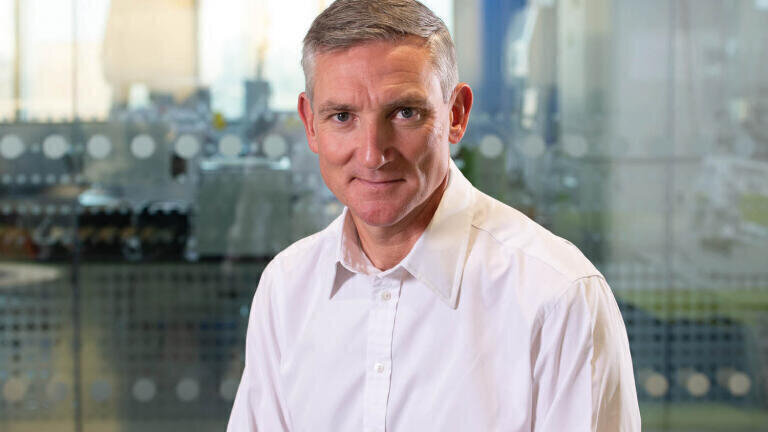
Matthew Durdy, CEO of CGT Catapult, said:
"Universal tests for residual PSCs could speed up the development of safe, effective cell therapies. By working with regulators, therapy developers, and testing experts, we hope to show how such tests can reduce costs and shorten timelines."
The initiative also involves two testing approaches: one developed by CGT Catapult with the Health and Environmental Sciences Institute (HESI), and SistemPSCcheck™, a commercially available solution from Sistemic. Together, they will be evaluated for consistency and applicability across multiple therapy types.
Lawrence Tallon, CEO of the MHRA, added:
"A universal safety test gives innovators and regulators confidence, cuts duplication, and helps patients access promising therapies sooner, while keeping safety at the centre."
Jim Reid, CEO of Sistemic Ltd, said:
"Cell therapies hold huge potential, but standardisation is essential. Being part of this consortium allows us to help establish a universal test and support the development of safe PSC-based therapies."
The consortium includes Advent Bioservices, Cell and Gene Therapy Catapult, Cellistic, Curileum Discovery, the MHRA, Plasticell, Rinri Therapeutics, the Scottish National Blood Transfusion Service, Sistemic, SmartCella, StemSight, the University of Nottingham, and Xellera Therapeutics.
More information online
ILM 51.6 Sept 2026



 Product directory














.jpg)
.jpg)
.jpg)