Research news
A peer-reviewed report has proposed that public health strategies for hypertension should address raising potassium intake alongside sodium reduction
Hypertension affects more than 1.2 billion adults worldwide and has remained a leading risk factor for cardiovascular disease. Public health guidance has long identified sodium reduction as the most effective dietary means to cut hypertension and lower cardiovascular risks.
Now a multidisciplinary team has proposed a complementary strategy in a recent report. It calls for potassium intake to increase, since potassium can serve as a culinary substitute for salt, alongside a reduction in sodium intake. The authors argue that their understanding of potassium’s critical role in blood pressure reduction calls for public health recommendations to consider sodium and potassium alongside each other, rather than focus on sodium alone.
“It is time to view dietary interventions holistically because food components interact and physiology is integrative across systems,” said Dr Naomi Fukagawa, first author of the report and the professor of medicine emerita at the University of Vermont’s ‘Robert Larner, M.D. College of Medicine’.
“Growing evidence shows that increasing dietary potassium as well as reducing sodium intake work together to better manage hypertension,” she said.
The peer-reviewed report examines the evidence that underpins current sodium and potassium intake recommendations and sets out strategies for sodium reduction and potassium enhancement. It also considers the challenges of implementation and outlines future research and policy directions to accelerate public health progress.
Excessive sodium intake and insufficient potassium consumption have remained major modifiable contributors to elevated blood pressure. Although average sodium intake has stayed above recommended levels, potassium consumption has often fallen ‘far below optimal levels in both developed and developing nations’, according to the report’s authors.
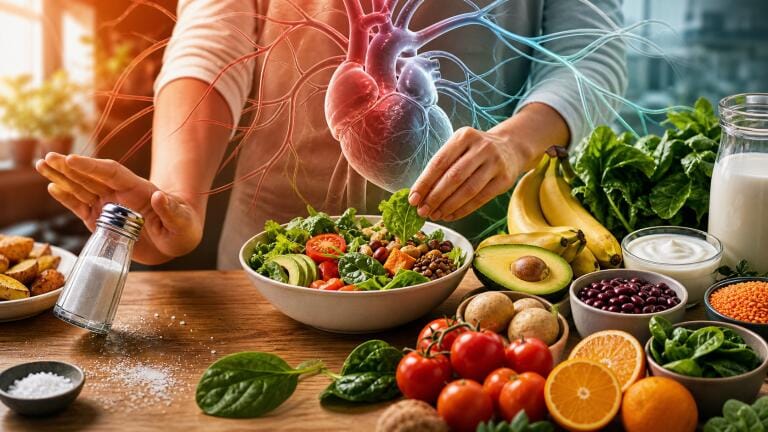
Potassium-rich foods include fruit, vegetables, legumes and dairy products. There is a maximum level at which potassium salts can be added to food before a metallic flavour becomes detectable. Manufacturers must therefore carefully balance the sodium and potassium content of their products, the report noted.
“Dietary sodium reduction is a foundational strategy for hypertension prevention and management. However, new evidence supports a broadening of the current approach that focuses solely on sodium reduction and provides equal emphasis on increasing potassium intake,” the authors concluded.
For further information please visit: 10.1016/j.ajcnut.2026.101396
ILM 51.6 Sept 2026



 Product directory




















,-photo-Karin-Allander.jpg)








.jpg)
