News
Published over 10 years ago. See the latest and most current information on News.
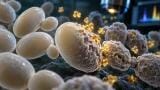
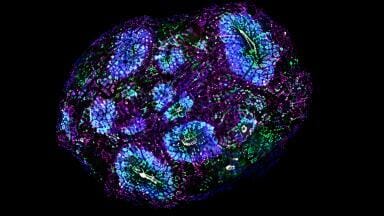
Islexa, a new company created by The Cell and Gene Therapy Catapult (CGT) and University of Aberdeen, UK, is developing novel technology to produce laboratory grown islets, the organoids responsible for insulin production, providing the option of an islet transplant to thousands more patients with type I diabetes. Currently in the UK, only 30-50 patients with hypoglycaemic unawareness can receive an islet transplant each year due to the low availability of suitable donor organs and the difficulty involved in extracting the islets.
Keith Thompson, CEO of the Cell and Gene Therapy Catapult and an Islexa director said: “This is a really exciting technology that has the potential to bring life changing benefits to these diabetic patients. We are delighted to be forming Islexa with the partners we’ve worked with so far on this project. The collaboration has already delivered promising results and the formation of Islexa will accelerate the development of these lab grown islets and ultimately get this potential treatment to thousands of patients.”
Professor Kevin Docherty, University of Aberdeen added: “The technology is based on converting pancreatic tissue into functional islets. This has an advantage over the use of stem cells as source material, since at the moment they generate only the insulin-producing beta cells. Islets are organoids that produce multiple hormones, including insulin, and donated islets are already effectively treating severe cases of type 1 diabetes. Having a hugely expanded supply of lab grown islets will enable us to significantly extend this established clinical treatment.”
I Mr John Casey, Consultant Transplant Surgeon at the Royal Infirmary of Edinburgh, and Lead Clinician for the Islet Transplantation Programme in Scotland said: “Islet transplantation can transform the lives of patients with type I diabetes, and in some cases can result in long term freedom from insulin injections with excellent glucose control. This exciting collaboration between the Scottish Islet Programme, Aberdeen University and the Cell and Gene Therapy Catapult will allow us to rapidly develop the technology and treat more patients, more effectively.”
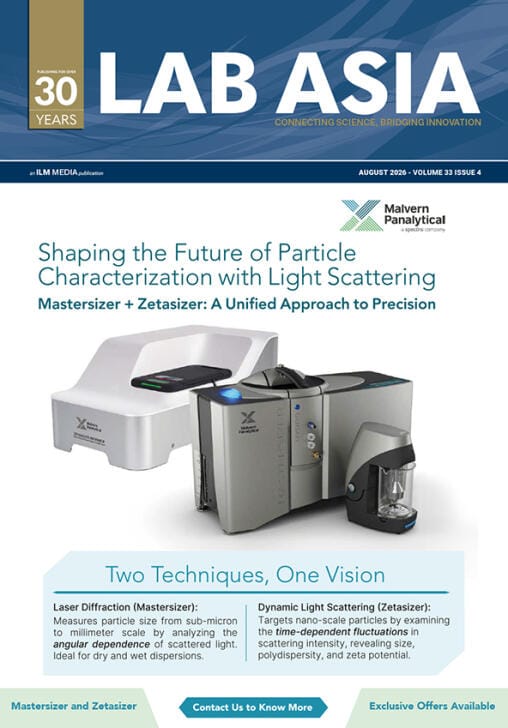
Lab Asia 33.4 - August 2026
 Product directory